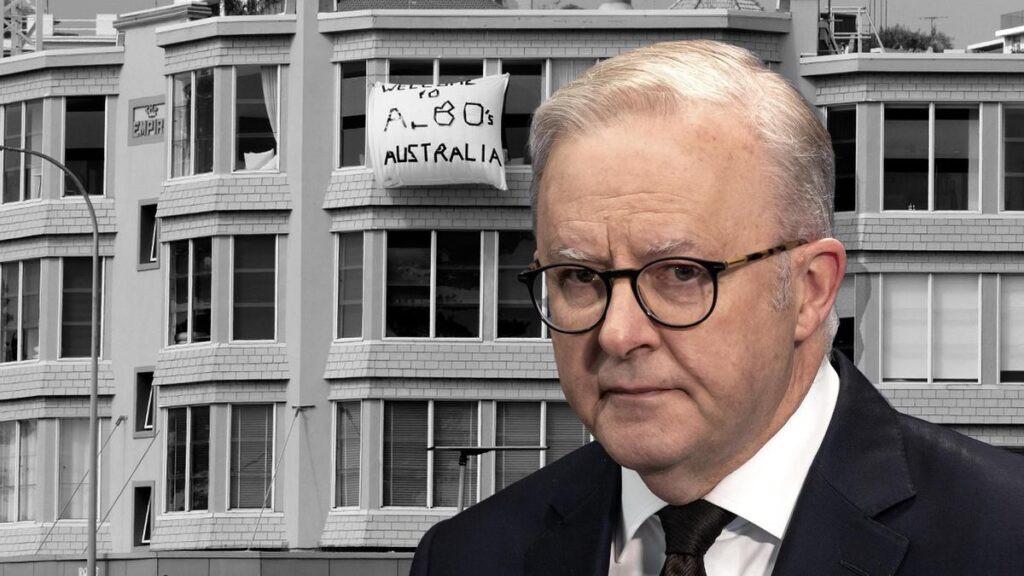
Prime Minister Anthony Albanese is under scrutiny for his approach to the aftermath of the Bondi tragedy, which resulted in the deaths of 15 individuals. As the nation grapples with the emotional fallout, Albanese has accused the opposition Coalition of “playing politics” regarding proposed hate speech laws, which are set to be debated in Parliament next week.
Albanese expressed frustration with the Coalition’s reluctance to support his government’s legislative initiatives, stating, “The parties of government should be supporting this across the board, and we’ve said that if you have ideas for changes, please put them forward now. The Coalition is yet to put forward a single proposed change.” He emphasized the need for national unity in response to the tragedy, likening it to previous national crises such as the Port Arthur massacre and the Lindt Cafe siege.
Political Tensions Rise Over Legislative Proposals
Despite calls for unity, opposition leaders, including Sussan Ley, have indicated strong resistance to the legislation, describing it as “unsalvageable.” Critics argue that both major parties have engaged in political maneuvering since the December 14 atrocity, with Labor attempting to leverage the situation to pressure the Coalition into supporting a comprehensive Bill that addresses both hate speech and gun ownership reforms.
Concerns regarding the proposed laws extend beyond partisan politics. Religious leaders, including Catholic Archbishop of Sydney Anthony Fisher and Anglican Archbishop Kanishka Raffel, have voiced reservations. They, along with the Australian National Imams Council, signed a letter urging Albanese to reconsider the scope of the new laws. The letter stated, “It would be inconsistent with the Prime Minister’s pre-election promise to faith leaders that legal protections for people of faith will not go backwards under Labor.”
Furthermore, the Australia Israel and Jewish Affairs Council has called for a “short delay” to separate the provisions related to hate speech from those addressing firearms, highlighting the complexity of the issues at hand. Australia’s Human Rights Commissioner Lorraine Finlay has also issued a warning regarding the potential risks associated with the vague wording of the Bill, cautioning that it could infringe upon Australians’ freedoms of expression and religion.
Calls for Accountability and Leadership
As criticism mounts, many argue that Albanese has set a contentious tone regarding the Bondi tragedy. His refusal to take responsibility for the rise of anti-Semitism and the lack of a royal commission into the incident have raised questions about his leadership. Some commentators suggest that his attempts to push through the legislation may be perceived as an effort to sidestep accountability.
In the midst of this political turmoil, the debate surrounding the Bondi tragedy and its implications for Australian society continues to unfold. The coming weeks will likely reveal whether bipartisan support can be achieved or if the situation will remain a point of contention in Australian politics.
Responsibility for this editorial comment is taken by Editor-in-Chief Christopher Dore.