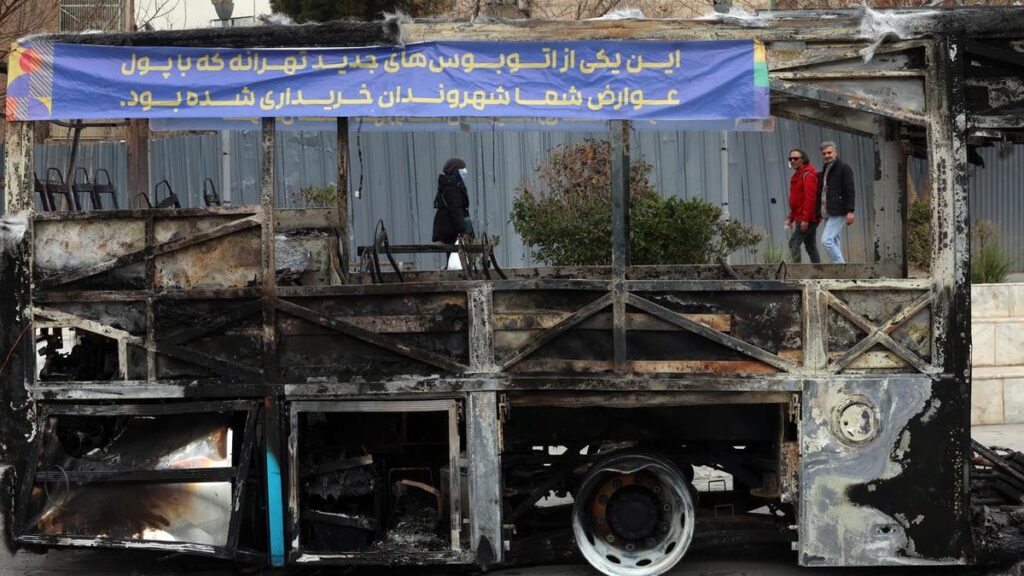
Protests in Iran have significantly diminished following a deadly crackdown by the government, as reported by residents and the Norwegian-based rights group Hengaw. The unrest, which erupted on December 28, 2023, was initially triggered by soaring inflation and has become one of the most significant challenges to the Iranian clerical regime since the 1979 Islamic Revolution. The Iranian authorities have been accused of a violent response, with a reported death toll of 2,677 people, including 2,478 protesters.
Tensions escalated as US President Donald Trump made statements suggesting military intervention could follow if the crackdown continued. Trump indicated that he had been informed that the violence was easing, which coincided with intense diplomatic efforts by US allies, including Saudi Arabia and Qatar, to dissuade a potential US strike on Iran.
Current Situation and Government Response
According to Hengaw, the protests have largely ceased since the beginning of the week, with many residents in the capital, Tehran, reporting a quiet atmosphere. Despite the internet blackout limiting information flow, observations confirm a heavy security presence in cities previously marked by protests. Residents noted that drones have been patrolling the skies, contributing to a climate of fear and suppression.
A resident from a northern Iranian city described the streets as calm, although sporadic instances of unrest continue. Reports indicate that a female nurse was killed by government forces during protests in Karaj, while state-affiliated media disclosed that rioters set fire to a local education office in Falavarjan County, located in Isfahan Province.
Despite claims of reestablished calm, many residents remain uneasy. An elderly woman from Iran’s northwestern region, home to a significant Kurdish population, observed that protests had persisted, albeit at reduced intensity. “I have not seen scenes like that before,” she recounted, reflecting the profound impact of recent violence.
International Reactions and Future Implications
The White House announced that Trump is closely monitoring the situation, emphasizing that there would be “grave consequences” for Tehran if the violence continued. Press Secretary Karoline Leavitt noted that the president was aware of the halting of 800 planned executions due to the unrest, signaling a potential shift in government tactics.
The casualty figures from the current unrest far exceed those from previous protests, underscoring the severity of the situation. Iranian authorities have labeled the unrest as the most violent in recent history, alleging foreign involvement and labeling some protesters as terrorists. The Human Rights Activists News Agency (HRANA) has been a key source for tracking the death toll and injuries associated with the crackdown.
As the situation evolves, the Iranian government continues to face scrutiny from both domestic and international observers. With the potential for further unrest lingering, the geopolitical implications of the protests and the government’s response could reverberate well beyond Iran’s borders, affecting regional stability and international relations.