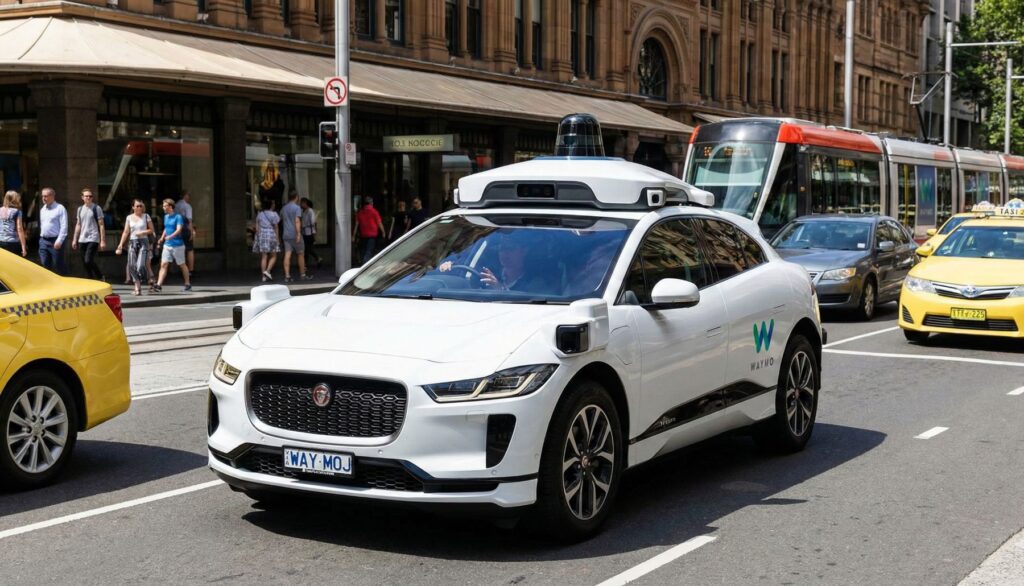
Waymo, the autonomous vehicle company known for its advanced driving technology, is reportedly considering a launch in Australia by 2026. A leaked email directed to Catherine King MP, the Minister for Infrastructure, Transport, Regional Development and Local Government, outlines Waymo’s ambitions and requests a confidential meeting with the minister. This communication refers to Waymo as the “World’s Most Experienced Driver,” marking the first indication of the company’s interest in expanding its operations to Australian roads.
While excitement builds around this potential move, Waymo has tempered expectations. In an official statement, spokesperson Ethan Teicher emphasized that there are currently no specific plans or timelines for a launch in Australia. “While we are eager to bring the Waymo Driver to more people in more places, we do not have specific plans or a timeline to share regarding Waymo’s future in Australia at this time,” he said.
Regulatory Challenges Ahead
The introduction of autonomous vehicles in Australia hinges significantly on regulatory frameworks. The country has been working on the Automated Vehicle Safety Law (AVSL) since February 2022. This law aims to ensure the safety of Automated Driving Systems (ADS) on public roads. At a meeting of infrastructure and transport ministers from various states, it was decided that this law would be enacted at the Commonwealth level, creating a unified national approach to the approval of fully autonomous vehicles.
As part of this process, companies like Waymo are required to establish an Automated Driving System Entity (ADSE). This certification is crucial as it holds the company accountable for the safety of its ADS throughout its operational life. The ADSE must submit a request for certification, which involves demonstrating that its technology can handle the full scope of driving tasks, including steering, acceleration, braking, and environmental monitoring.
Given the current status of regulatory discussions, it is understandable that Waymo, along with other autonomous vehicle companies, lacks a definitive timeline for their Australian launch. The necessary legislative framework is still evolving, and the timeline for implementing the AVSL remains unclear.
Global Context for Autonomous Vehicles
Internationally, autonomous vehicles are already making strides, with several companies operating successfully in various markets. Data supports improved safety outcomes for autonomous vehicles compared to human drivers, which may further accelerate regulatory processes as the demand for these technologies grows.
In past consultations, Waymo has provided feedback on regulatory proposals, advocating for flexibility in remote operations. They proposed that some remote functions could be managed from locations outside Australia, emphasizing the need for regulatory frameworks to differentiate between various types of remote functionalities.
As Australia gears up for potential advancements in autonomous driving technology, the outcome of ongoing regulatory discussions will be pivotal. The push for a national framework represents a significant step towards integrating autonomous vehicles into everyday transport but raises questions about whether the 2026 timeline will be sufficient to keep pace with global developments.
The evolution of autonomous vehicles in Australia is still in its early stages, with major developments anticipated in the coming years. Stakeholders from industry and government will need to collaborate closely to ensure that safety standards are met while fostering innovation in this exciting sector.