On January 18, 2024, the Moon enters the New Moon phase, marking a significant point in the lunar cycle. During this phase, the Moon is positioned directly between the Earth and the Sun, rendering it invisible from our planet. According to NASA, 0% of the Moon will be illuminated tonight, making it impossible to spot any lunar features.
As the New Moon concludes the current lunar cycle, the Moon will gradually become more visible each night in the lead-up to the next Full Moon, scheduled for February 1, 2024. The previous Full Moon occurred on January 3, 2024, providing a stark contrast to tonight’s dark sky.
Understanding Moon Phases
Moon phases are a result of the Moon’s orbit around the Earth, which takes approximately 29.5 days to complete. During this time, the Moon transitions through eight distinct phases, affecting how much sunlight reflects off its surface as observed from Earth.
These phases include:
– **New Moon**: The Moon is invisible as it is between the Earth and the Sun.
– **Waxing Crescent**: A small sliver of light appears on the right side (in the Northern Hemisphere).
– **First Quarter**: Half of the Moon is illuminated on the right side.
– **Waxing Gibbous**: More than half of the Moon is lit, but it is not yet full.
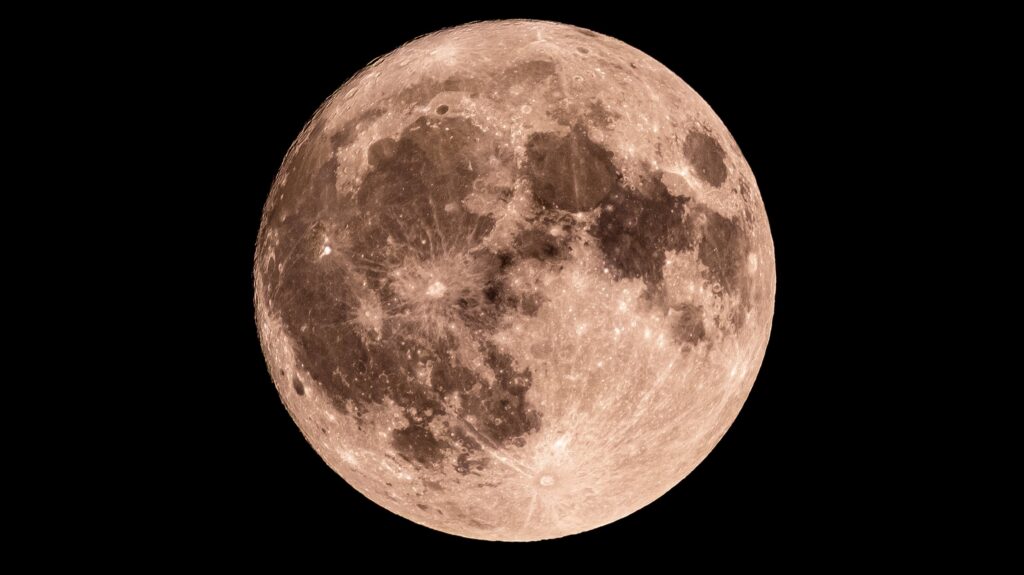
– **Full Moon**: The entire face of the Moon is illuminated and visible.
– **Waning Gibbous**: The Moon begins to lose light on the right side.
– **Third Quarter (or Last Quarter)**: Another half-Moon, but now the left side is lit.
– **Waning Crescent**: A thin sliver of light remains on the left side before returning to darkness.
As the Moon progresses through these phases, it continues to capture the interest of astronomers and casual observers alike.
Upcoming Lunar Events
The transition from New Moon to Full Moon will offer stargazers a chance to witness the Moon’s increasing brightness. Each night, more of the lunar surface will become illuminated, culminating in the Full Moon on February 1. This cycle not only serves as a reminder of the regular rhythms of nature but also provides opportunities for various activities such as night sky photography and lunar observations.
In conclusion, tonight’s New Moon signifies the start of a new lunar cycle, with the Moon soon to reappear in the night sky. As it moves towards fullness, enthusiasts can anticipate a series of captivating views that embody the beauty of our celestial neighbor.