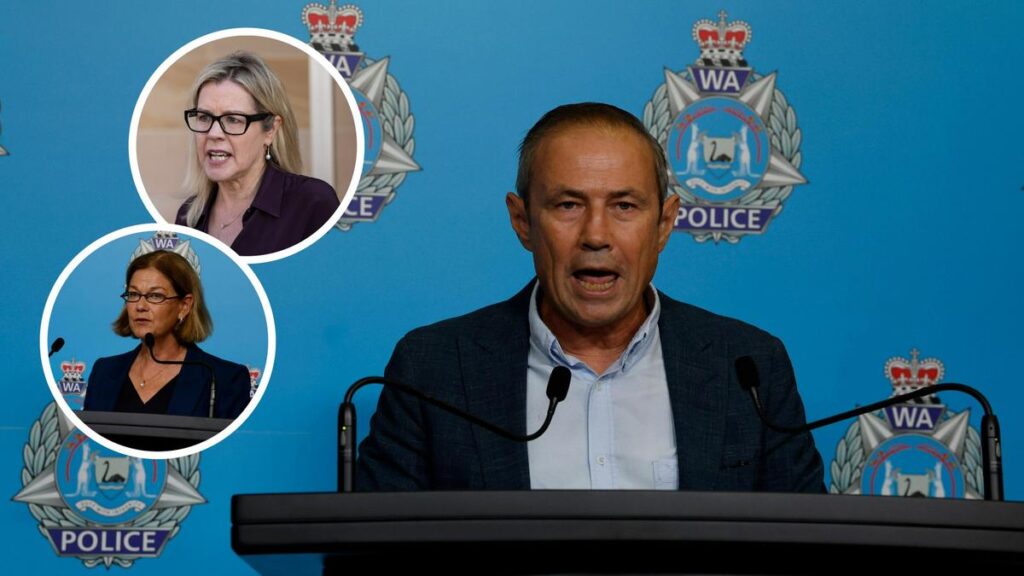
New figures revealing 35 people are in hospital every day due to tobacco-related illness have been seized on by the Opposition as more proof of the impact of illegal sales going un-checked.
New statistics reveal a troubling trend in Western Australia, where an average of 35 individuals are hospitalized daily due to tobacco-related illnesses. The data, which highlights the growing health crisis, shows that there were 12,924 tobacco-attributable hospitalizations in the last financial year, resulting in nearly 65,000 bed days consumed by affected patients. This surge is expected to cost taxpayers over 129 million AUD, prompting significant concern from political leaders and health advocates alike.
The Opposition has seized upon these figures as evidence of inadequate regulation surrounding illegal tobacco sales. Shadow Health Minister Libby Mettam expressed alarm, stating, “Every single day, 35 West Australians are admitted to hospital because of tobacco-related harm, placing even more pressure on an already over-stretched hospital system.” Mettam attributes the rise in hospitalizations to increased smoking rates, the accessibility of illegal tobacco, and what she describes as the weakest laws in the country aimed at curbing this black market.
While there was a 2 percent increase in hospitalizations for the 2024-25 period, this figure aligns with population growth and remains below the peak of 13,087 tobacco-linked hospitalizations recorded in 2018-19. Nevertheless, public health advocates are increasingly concerned, as smoking rates appear to be climbing after years of decline. The statistics are particularly alarming for the Indigenous population, with tobacco-linked hospitalizations rising from 2,139 in 2017-18 to 2,725 in the current year, marking a 27 percent increase.
Mettam criticized the response from the Cook Government, calling it a “shameful” reflection of their commitment to health prevention. In response, Premier Roger Cook outlined plans to recruit retired police officers to bolster inspections by the Department of Health. This new squad aims to target retailers selling illegal cigarettes and vapes. “This is about clamping down on tobacco organized activity,” Cook emphasized.
Opposition Leader Basil Zempilas dismissed the government’s announcement as a “smoke screen,” arguing that it fails to address the lack of new laws for immediate shop closure orders, which are already implemented in other states. Police Minister Reece Whitby acknowledged the limitations of current enforcement capabilities, stating, “We can fine someone, but we can’t shut them down, and those fines aren’t great enough deterrent in any case.”
The newly formed squad will be led by Superintendent Steve Post, a police veteran with over 40 years of experience. Post has vowed to initiate the crackdown immediately, stating, “I have a message for those that are involved in this illicit activity: ‘get out while you can, because we will be strengthening our enforcement.’”
Health experts have welcomed the increase in compliance inspectors, which could bring their numbers to nearly 40. However, they stress that new powers to shut down illegal retailers are critical. Laura Hunger, chief executive of the Australian Council on Smoking and Health, commented, “This signals the WA Government is getting serious. The next step is swift, visible enforcement on the ground.”
Despite Cook’s assurance that updated tobacco legislation will be introduced this year, he refrained from providing a specific timeline. “We’re trying to get the legislation in as soon as possible. I can’t give you a date today,” he stated. The Premier denied that the formation of the new squad indicated prior inaction, suggesting instead that the situation had become increasingly complex and required a dedicated response.
Health Minister Meredith Hammat cautioned smokers against purchasing cheaper illicit products, highlighting the link between such purchases and the rise of organized crime. “Don’t buy illicit tobacco. Don’t support those retail stores,” she urged.
As Western Australia grapples with these alarming figures, the need for comprehensive strategies to combat tobacco-related health issues becomes increasingly pressing.