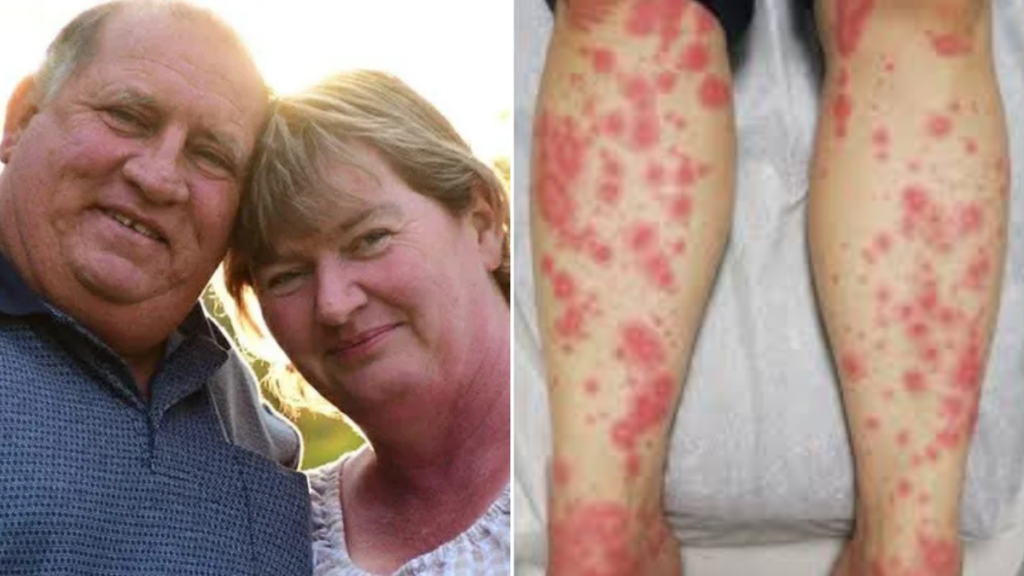
A mother of ten, Elizabeth Mohr, was airlifted to Sydney and placed in intensive care following a severe reaction to a routine antibiotic. The Narrandera resident had been prescribed the medication for a dental infection when she began experiencing intense pain and a spreading rash on December 1. Her condition deteriorated dramatically over the next three days, prompting urgent medical intervention.
Elizabeth’s daughter, Samantha Mohr, reported that her mother visited Narrandera Hospital three times in a worsening state. Each time, she was discharged with antihistamines and steroids. During this period, the attending physician reportedly termed her a “mystery patient.” By December 4, Elizabeth’s rash had intensified, and she was exhibiting alarming symptoms, including shivering without a fever. Samantha detailed the family’s ordeal on a GoFundMe page established to assist with medical expenses.
Eventually, Elizabeth was transferred to Wagga Base Hospital before being airlifted to a Sydney facility. Specialists there confirmed that the antibiotic reaction was causing her body to overheat internally. For several days, she received treatment as a burns patient in the ICU before being discharged ahead of Christmas.
“The rash was burning her body from the inside out,” Samantha recounted, emphasizing the severity of her mother’s condition.
According to Professor Deshan Sebaratnam, a dermatologist at The Skin Hospital, while antibiotics commonly induce mild rashes, they can also trigger severe and life-threatening reactions. He explained that conditions like DRESS (drug reaction with eosinophilia and systemic symptoms) and TEN (toxic epidermal necrolysis) are serious complications where the immune system attacks not only the skin but also internal organs.
“Antibiotics can provoke an abnormal immune response, leading to inflammation across various organ systems,” Sebaratnam noted. “In some cases, patients may experience extensive skin damage, which can be life-threatening.”
Sebaratnam highlighted the difficulty doctors face in differentiating between mild and severe drug reactions during initial evaluations, as early symptoms often resemble one another. He pointed out that dermatology education is lacking in many Australian medical schools, resulting in a shortage of dermatological expertise in hospitals, particularly in rural areas.
The occurrence of severe drug reactions can also vary based on ethnicity, with individuals of East Asian descent facing a higher risk. Nonetheless, Sebaratnam reassured that anyone could be affected. He estimated that only a few dozen cases of TEN arise across Australia each year.
He advised individuals who develop a rash after commencing a new medication to seek medical attention, especially if symptoms escalate. “Most rashes are itchy and red, but concerning signs include painful rashes, facial swelling, blistering, or symptoms involving the eyes, mouth, or genitals,” he explained. “Rashes that appear bruised and do not fade when pressed are also critical indicators, along with general feelings of unwellness.”
The case of Elizabeth Mohr underscores the importance of recognizing severe reactions to medications and the necessity for prompt medical evaluation. Her experience serves as a reminder for vigilance concerning any unexpected side effects from prescribed treatments.