




UPDATE: Western Australia (WA) is facing a serious crisis as illegal vapes and black market tobacco continue to flood the market, prompting urgent calls for action from the government. Despite a ban on disposable vapes implemented in mid-2024, reports indicate these products remain readily available throughout the state, raising questions about the effectiveness of current enforcement measures.
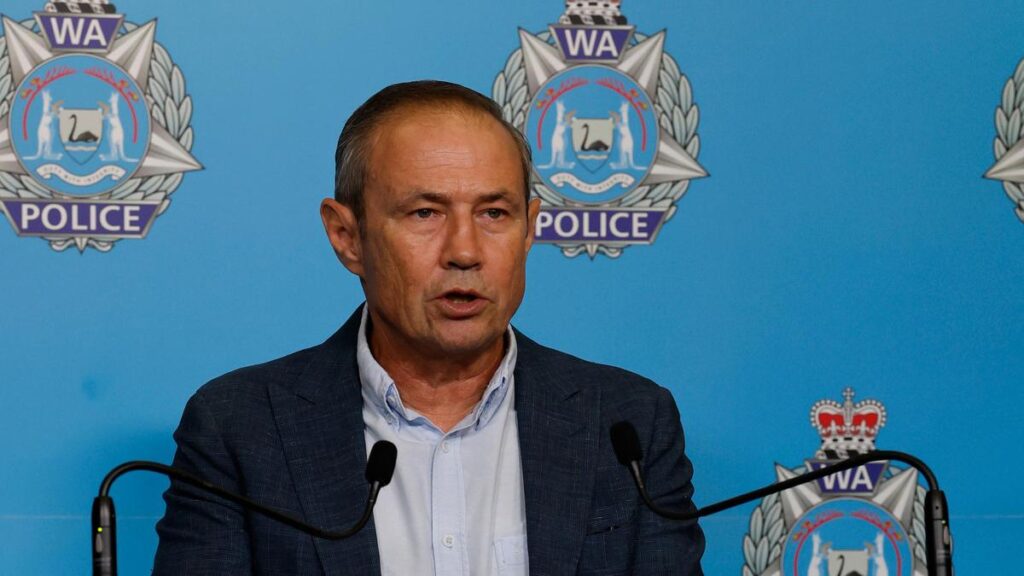
Just announced, Premier Roger Cook has unveiled a new task force aimed at tackling this growing problem. However, the initiative has been met with skepticism and criticism. The task force, bolstered by retired police officers, is set to receive a budget of $5 million. Yet, Cook’s own police minister has admitted it won’t be able to shut down illegal stores until new legislation is passed, leaving many to question the timing and effectiveness of this response.
The opposition party has labeled this initiative a “smokescreen,” with Opposition Leader Basil Zempilas urging the government to “stop trying to talk tough” and start delivering actionable solutions. This criticism is echoed by many who see the task force as a delayed response to a crisis that has been festering for over 18 months.
35 people are admitted to WA hospitals daily due to tobacco-related illnesses, underscoring the urgent public health implications of the ongoing tobacco war. The situation is exacerbated by recent incidents of firebombings aimed at businesses caught in the crossfire of this conflict. As local businesses suffer, the government’s inaction only adds to an already challenging environment for retailers and consumers alike.
The lack of a clear timeline for new legislation is particularly troubling. Critics argue that the government should prioritize passing laws that would empower enforcement agencies. The current confusion surrounding which agency holds accountability for regulating vapes—whether it’s the Therapeutic Goods Administration, the Australian Border Force, or WA’s Health Department—only complicates the issue further.
As the cost-of-living crisis deepens, it is naive to expect smokers to resist cheaper alternatives. This reality could lead to an increase in smoking rates, putting further pressure on WA’s already strained health system. The public is left wondering whether this task force is a genuine effort to address a pressing issue or simply a political maneuver to placate mounting criticism.
As the situation develops, all eyes will be on the WA government to see if they can provide meaningful solutions to a problem that affects the health and safety of its residents. The urgency for effective action has never been clearer, making it imperative for the government to act decisively and transparently.
This editorial comment is attributed to WAN Editor-in-Chief Christopher Dore. As the community grapples with the implications of these developments, the call for accountability and effective governance is more pressing than ever.
