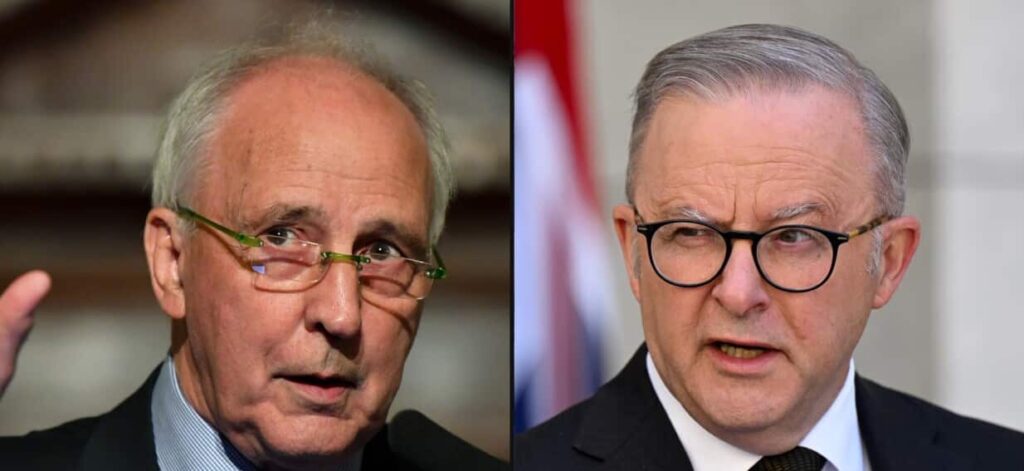
The Australian Labor Party has decided to remove racial vilification offences from its proposed hate speech legislation. This move signifies a significant shift in the party’s approach to addressing hate speech in Australia. The decision comes in the wake of challenges faced by previous governments, including those led by former Prime Minister Paul Keating, who encountered similar difficulties in advancing such measures.
In a statement on October 3, 2023, Prime Minister Anthony Albanese acknowledged the complexities involved in legislating against hate speech. The proposal initially aimed to strengthen protections against various forms of hate speech, including racial vilification. However, the exclusion of these offences highlights ongoing debates regarding the balance between free speech and the need to protect vulnerable communities.
Albanese’s government had hoped to create a comprehensive framework to address hate speech effectively. The original proposal included provisions to penalize individuals for racially motivated speech that incited hatred or violence. Supporters argued that such measures were necessary to safeguard the rights of minority groups, while critics raised concerns about potential overreach and the implications for free expression.
The government’s decision to drop racial vilification offences reflects both political and public pressures. According to a recent survey conducted by the Australian National University, approximately 60% of respondents expressed concerns that restricting hate speech could lead to infringements on personal freedoms. This sentiment echoes similar concerns voiced during Keating’s tenure, underlining the persistent challenges faced by Australian leaders in navigating this sensitive issue.
The Labor Party’s current strategy appears to focus on refining its approach to hate speech without alienating constituents who value free speech rights. Albanese’s team is now tasked with re-evaluating its legislative priorities and finding a way to address community safety while respecting individual liberties.
The political landscape surrounding hate speech legislation remains contentious, with advocacy groups on both sides of the debate. Organizations such as the Human Rights Law Centre have called for stronger protections against hate speech, arguing that the current framework fails to adequately support marginalized communities. Conversely, free speech advocates caution against any measures that might infringe upon personal expression.
As the Albanese government prepares to refine its proposals, the discussion surrounding hate speech in Australia will likely continue to evolve. The removal of racial vilification from the proposed legislation could signal a strategic pivot, one that seeks to balance the diverse viewpoints within Australian society. Observers will be watching closely to see how the government navigates this complex issue moving forward.
The challenges faced by the Albanese administration in this regard are reminiscent of those encountered by previous leaders, emphasizing the need for a careful, nuanced approach to legislation that seeks to protect all Australians. The government’s next steps will be crucial in shaping the future of hate speech laws and their impact on social cohesion in the nation.