Tensions are escalating between European leaders and the United States over President Donald Trump‘s threats regarding Greenland, with officials warning of a “dangerous downward spiral” in transatlantic relations. The remarks come as Trump has threatened to impose tariffs on exports from eight NATO member states, a move that has prompted a unified response from European leaders, who are asserting their sovereignty and refusing to be coerced.
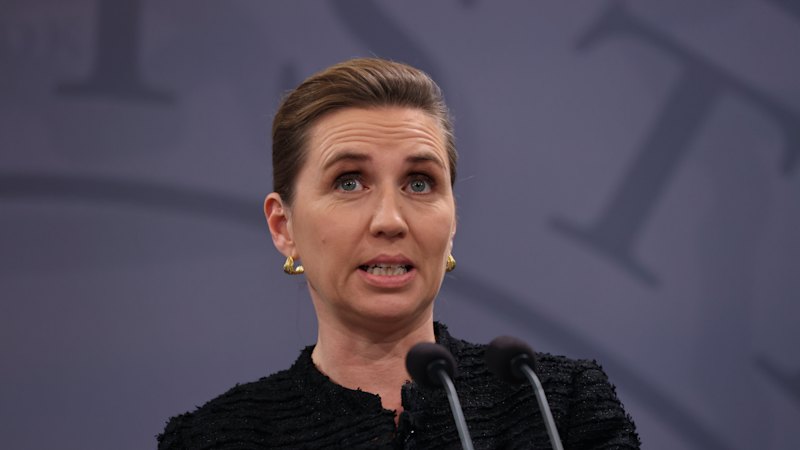
In a joint statement, the leaders of the United Kingdom, France, Germany, Finland, Sweden, Norway, Denmark, and the Netherlands expressed their solidarity with Denmark and the people of Greenland, emphasizing that their sovereignty is non-negotiable. Danish Prime Minister Mette Frederiksen stated, “Europe will not be blackmailed,” reinforcing that the issue extends beyond just Greenland and touches on broader principles of territorial integrity.
European leaders are wary of personal attacks that could further inflame the situation, particularly given the potential implications for NATO unity. They have indicated that they are prepared to engage in constructive dialogue, but they remain steadfast against any form of economic coercion. The leaders clearly articulated their position by stating, “Tariff threats undermine transatlantic relations and risk a dangerous downward spiral.”
As Trump sets a deadline of February 1, 2024, for implementing a 10 percent tariff, escalating to 25 percent by June 1, European leaders find themselves navigating a complex diplomatic landscape. The tariffs target not only Denmark but also seven other NATO allies, which has heightened concerns about the integrity of the NATO alliance itself.
The recent military exercise conducted by the eight nations, named Arctic Endurance, seems to have provoked Trump’s ire, as he perceives it as a challenge to his authority. The operation involved limited personnel from various nations, yet it has drawn significant attention amid the tariff threats.
While leaders have not convened an urgent summit to address the situation directly, discussions among ambassadors are anticipated. Some media sources have referred to these meetings as “emergency” sessions, but the European response appears deliberately measured to avoid any panic that could worsen relations.
The political landscape is further complicated by the upcoming World Economic Forum in Davos, where Trump is expected to be present. European leaders are likely to seek opportunities for dialogue during this event, but they are also cautious about appearing eager to compromise.
French President Emmanuel Macron has drawn parallels between Trump’s tactics and external pressures faced by Europe, stating, “No intimidation or threat will influence us – neither in Ukraine, nor in Greenland, nor anywhere else in the world.” His comments underline a growing resolve among European leaders to stand firm against economic threats.
The ramifications of this dispute extend into various trade agreements. A recent trade deal negotiated with Trump to prevent higher tariffs now seems obsolete, as new tariffs loom. Additionally, a technology prosperity deal established during Trump’s state visit to the UK is currently stalled, reflecting the broader uncertainty in transatlantic trade relations.
The European Union had previously struck a trade deal with the United States, which was intended to provide stability in uncertain times. However, the threats over Greenland have placed that agreement on hold, adding to the confusion surrounding international trade.
Despite the challenging environment, European leaders are determined not to yield to Trump’s demands. They recognize that previous concessions have not resulted in lasting stability and could lead to further tariff threats in the future. The prospect of retaliatory actions, including potential decisions regarding military support for NATO, remains a topic of concern among European nations.
As the situation unfolds, the response from Republican party members in the United States may play a crucial role in shaping the trajectory of these tensions. Some Republicans have voiced concerns that Trump’s approach could jeopardize relations with NATO allies.
The formal rejection of Trump’s tariff threats from the eight European leaders highlights their commitment to maintaining unity and upholding their sovereignty. The coming weeks will be critical in determining whether diplomatic efforts can de-escalate the situation or if tensions will continue to mount, potentially reshaping the future of transatlantic relations.