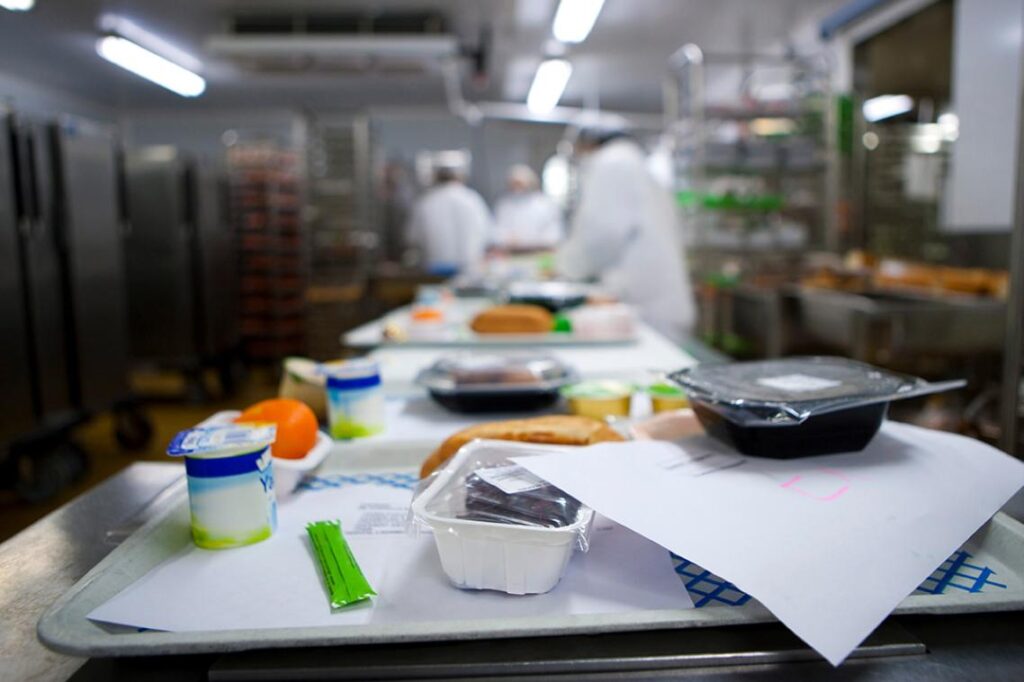
A recent study led by Dr. Nathan Cook from the University of Queensland highlights a potential pathway for Australian hospitals and aged care facilities to significantly reduce food waste and save costs. The research indicates that as much as half of all hospital waste consists of food, while between 23% and 50% of meals prepared in residential aged care homes go uneaten.
Dr. Cook, affiliated with the School of Human Movement and Nutrition Sciences, expressed his concerns after witnessing large quantities of untouched meals being discarded. “It baffled me — not just from a sustainability point of view, but the labour and time that goes into preparing food that ends up in landfill,” he noted. He argues that addressing food waste not only offers financial benefits but also reduces greenhouse gas emissions and supports a more sustainable healthcare system.
The need for effective tracking of uneaten meals is urgent, particularly given the financial pressures currently facing the health sector. Dr. Cook emphasizes that auditing food waste is the crucial first step toward finding sustainable solutions. “Most food waste audits in hospitals are manual and ad-hoc, often relying on students during placements,” he explained. These audits typically occur only a couple of times a year in hospitals and are almost non-existent in residential aged care facilities.
By measuring food waste, facilities can gain valuable insights into patient preferences, allowing them to adjust meal offerings accordingly. Dr. Cook suggests that simple changes, such as providing flexible portion sizes or a greater variety of meal choices, could significantly reduce waste without impacting patient care.
Innovative Solutions with AI Technology
Dr. Cook pointed to new artificial intelligence-based technologies as a promising solution for food waste audits. These tools can efficiently photograph and analyze plates before and after meals, yielding data on what was consumed versus what was discarded. “This process can occur without adding extra work to kitchen staff,” he noted, highlighting the potential for streamlined operations.
International case studies provide evidence that implementing changes based on audit data can lead to substantial savings. For example, one facility reported savings of approximately $200,000 annually in food purchasing alone, with additional reductions in preparation and disposal costs. Dr. Cook remarked, “I am keen to see auditing innovation adopted in Australia. It would allow us to measure, change, and measure again, creating a cycle of improvement that benefits everyone.”
By initiating a focus on measurement, Dr. Cook believes that healthcare facilities can identify small yet impactful steps towards achieving Australia’s national target of halving food waste by 2030. His findings, co-authored with colleagues Dr. Karly Bartrim from Adelaide University, Dr. Kate Sansome from Adelaide University, and Dr. Jorja Collins from Monash University, were published in the journal Frontiers in Nutrition.
The implications of this research extend beyond fiscal savings; they touch upon broader environmental and societal issues, emphasizing the need for a more sustainable approach to food management within the healthcare system. Through effective audits and data-driven strategies, Australian hospitals and aged care facilities can take significant steps toward reducing food waste and improving patient satisfaction.