The number of skin cancer treatments in Victoria has significantly increased, raising concerns about rising complacency towards sun safety. According to data from the Cancer Council Victoria, there were over 170,000 treatments for non-melanoma skin cancers in the state last year, marking a 12.3 percent increase from 151,355 treatments in 2022. This rise in procedures comes as the population of Victoria grew by approximately 5 percent during the same timeframe.
Non-melanoma skin cancers, which include basal cell carcinoma and squamous cell carcinoma, are more common than melanoma, the deadliest form of skin cancer. Unfortunately, the absence of a central registry means that Medicare data is currently the primary means of tracking these emerging trends.
Melanoma Diagnosis Higher in Regional Areas
The latest report from the Victorian Cancer Registry reveals that residents in regional areas are at a notably higher risk. They are 51 percent more likely to be diagnosed with melanoma compared to those living in Greater Melbourne and Geelong. Furthermore, this population is 35 percent more likely to succumb to melanoma than their urban counterparts.
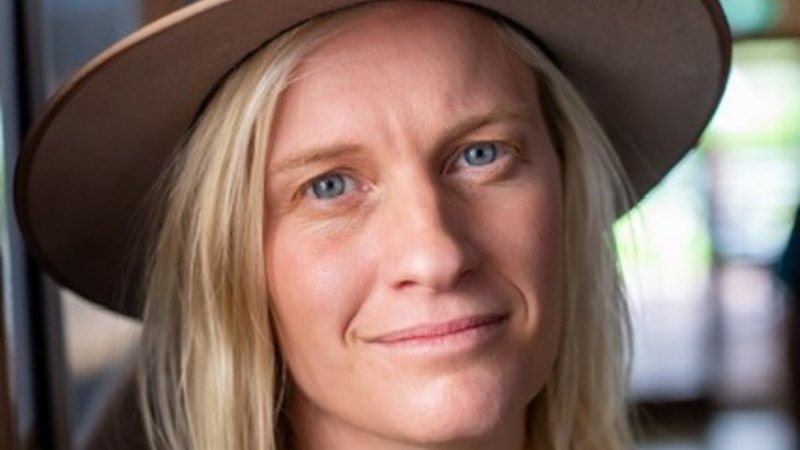
The experiences of Louise Bibby, a resident of rural Victoria, illustrate the pressing need for awareness. Bibby had her first non-melanoma skin cancer removed at the age of 22, despite taking sun safety precautions like wearing sunscreen. She recalls noticing a small lump near her hairline that eventually became a source of bleeding after she scratched it. Following her initial treatment, she underwent a more complex procedure known as a “flap procedure” to ensure effective healing.
Bibby now has had multiple surgeries on her face, scalp, and chest, highlighting the importance of early detection in preventing more severe treatments.
Understanding the Risks and Prevention
The head of SunSmart at Cancer Council Victoria, Emma Glassenbury, emphasizes that while melanoma is a serious concern, non-melanoma skin cancers also require serious attention. “People can still die from non-melanoma skin cancers,” Glassenbury stated. “They can usually be managed through excision. But they’re a skin cancer that can be prevented, so we should be taking all the prevention measures that we can.”
The risk factors for skin cancer include fair skin, a history of severe sunburn—especially during childhood—and a family history of skin cancers. Glassenbury encourages individuals to familiarize themselves with their own skin and to consult a general practitioner if they notice any changes.
“Two-thirds of people will be diagnosed with skin cancer by the time they turn 70,” Bibby noted, underscoring the familial nature of the disease. With melanoma running in her family, she takes it upon herself to educate relatives and friends.
Preventable measures are crucial. Glassenbury pointed out that 95 percent of melanomas and 99 percent of non-melanoma skin cancers are largely avoidable with proper sun protection. She advises that during months with intense ultraviolet (UV) exposure, it can take as little as 15 minutes for skin damage to occur.
Despite the cooler summer temperatures in Victoria compared to northern regions, Glassenbury stresses the necessity of layered sun protection. This includes wearing hats, long-sleeved clothing, applying sunscreen, donning sunglasses, and seeking shade. “People can still be getting that damage on cool and windy days,” she cautioned.
As skin cancer rates continue to rise, the importance of awareness, regular checks, and preventative measures cannot be overstated. With a commitment to sun safety, the community can work towards reducing these alarming statistics.