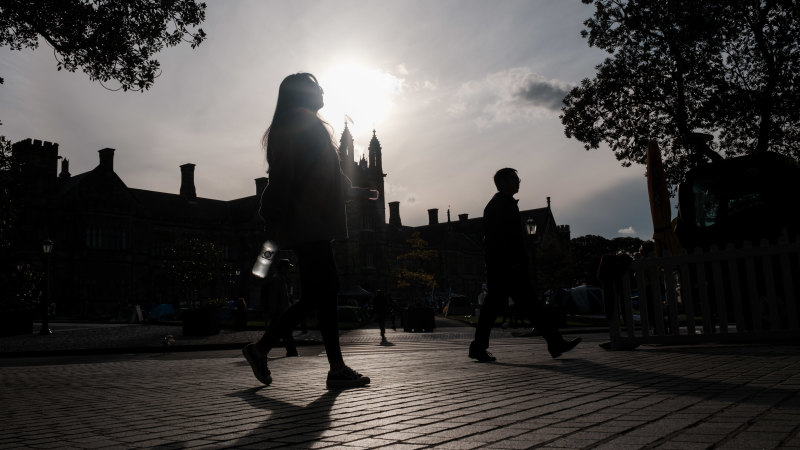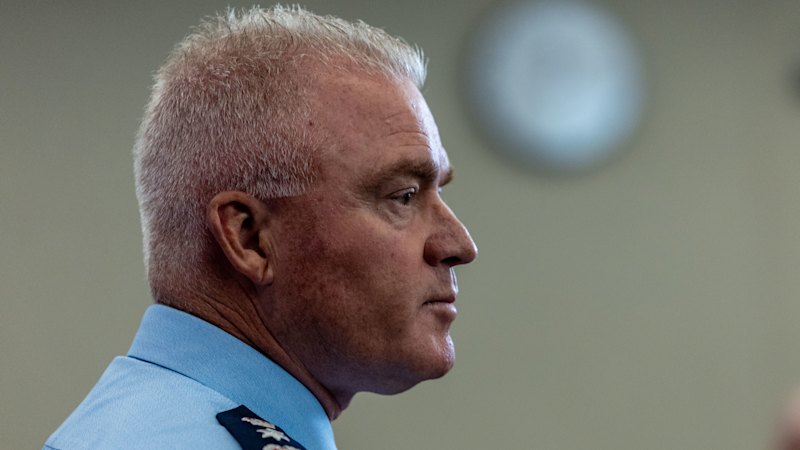
New South Wales (NSW) Police Commissioner Mal Lanyon has partially lifted a controversial ban on protests in Sydney, allowing the annual January 26 marches to proceed. This decision comes after a month-long order that had prohibited moving demonstrations across the city, a measure enacted in response to security concerns following the Bondi terror attack.
Lanyon announced the easing of restrictions on January 23, which permits the annual Invasion Day march to take place in the Sydney CBD. While the ban on protests has been lifted in this area, it will remain in effect for all other Sydney streets for an additional two weeks. This compromise allows protest groups to apply for permits to stage demonstrations in the CBD, subject to assessment by NSW Police.
The newly permitted protest areas include Darling Harbour and suburbs north of Oxford Street, but notable locations such as Hyde Park, Belmore Park, and Victoria Park will remain off-limits for the march. Lanyon stated, “This is about getting the balance right. We work very closely with protest organisers. This is about ensuring that we are enabling people to protest, enabling free speech, but make sure that the community remains safe.”
The initial 14-day ban was imposed on December 24, 2023, shortly after the Bondi incident, and was extended on January 6. The legislation granting these powers was passed during an emergency session of the NSW parliament, aiming to enhance public safety.
This announcement follows a significant police presence at Town Hall earlier in January, where demonstrators protested against the new protest laws and the visit of Israeli President Isaac Herzog to Australia. During this event, a man was arrested for breaching the peace while displaying a sign with contentious messaging. Such incidents highlight the tensions surrounding the new legislation.
The recent protests have drawn attention to the government’s approach to public assemblies. Chris Minns, the Premier of NSW, is facing criticism for attempts to regulate protest messages, particularly slogans deemed inflammatory. A parliamentary inquiry will examine the implications of banning such slogans, with new legislation expected to be presented in February.
Legal challenges have arisen against the restrictions on public gatherings. A coalition of activists, including the Palestine Activist Group and Jews Against the Occupation, is contesting the constitutionality of the legislation. Anne Twomey, a constitutional law expert, criticized the government’s handling of the laws, stating, “If they had just gone out and banned protests, undoubtedly it would have been unconstitutional.”
In a separate legal development, The Blak Caucus, a First Nations-led political organizing group, has initiated legal action against the state regarding the protest laws. A hearing scheduled for January 29 will assess the case’s progression, including the involvement of other Australian states in potential constitutional matters.
As discussions continue around the legal ramifications and public sentiment towards these laws, the January 26 march is poised to proceed under heightened scrutiny, reflecting ongoing debates about the balance between public safety and the right to protest in Australia.