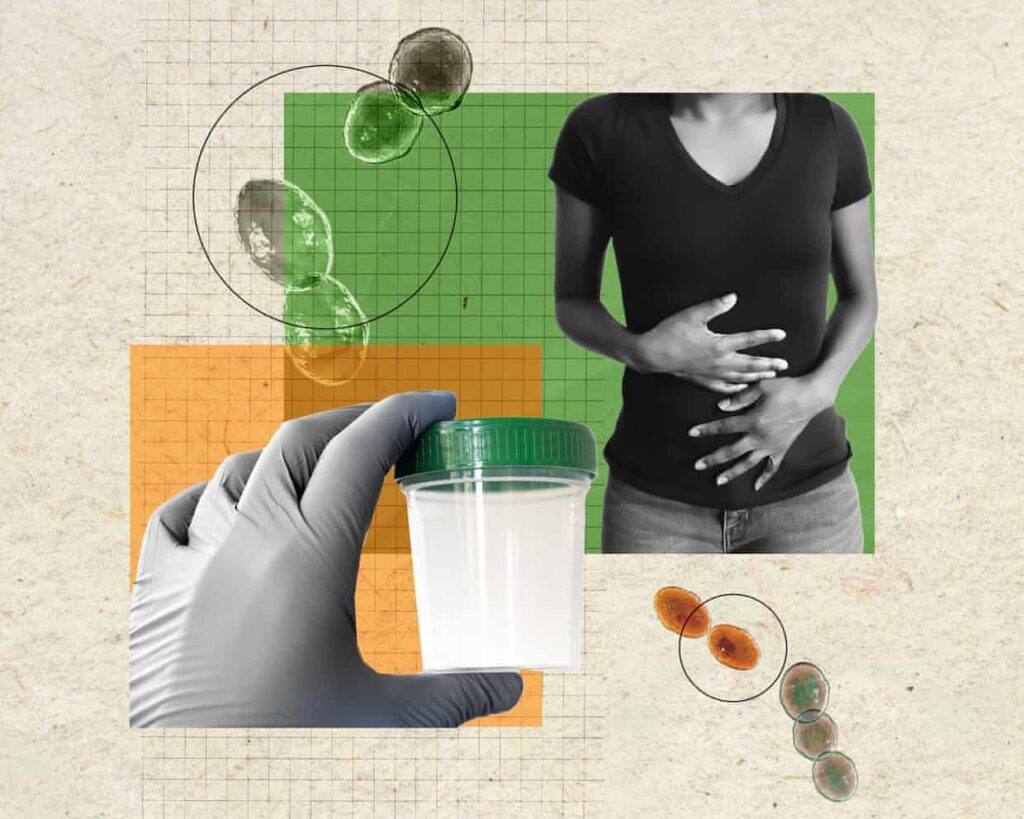
At-home gut microbiome tests are increasingly marketed as a means to “hack your health” by providing insights into an individual’s digestive health. For a few hundred dollars, consumers can send a stool sample to a laboratory and receive a report detailing their food sensitivities, metabolic fitness, and potential pathogens. However, the effectiveness and reliability of these tests remain under scrutiny among health professionals.
Understanding the Limitations of Gut Microbiome Testing
Prof Rupert Leong, a gastroenterologist and microbiome researcher at Macquarie University Hospital, highlights the challenges surrounding the interpretation of these tests. Although gut microbiome testing can accurately detect microbial markers, understanding what these markers mean for individual health is still a major hurdle. Leong notes that the methodologies used by different laboratories can lead to varying results. He states, “We are still in the infancy of understanding how to interpret them.”
Tests ordered through specialists or accredited dietitians can provide valuable insights when sent to reputable labs. Leong recalls a recent case involving a patient with inflammatory bowel disease whose microbiome results confirmed dietary issues and helped guide treatment after ruling out simpler medical concerns. However, he emphasizes that such cases are exceptions rather than the norm. For most consumers ordering tests online, there are typically no significant benefits to be gained.
The variability in individual gut microbiomes means that what is normal for one person could be problematic for another. Leong explains, “The same organism has different species and acts differently in different individuals.” Factors like temporary dietary changes, medications, or illnesses can also skew test results.
Risks of Misinterpretation and False Alarms
The potential for distress arising from these tests is significant. Leong recounted a patient who feared she had bowel cancer after receiving alarming inflammatory markers from a commercial home test. He reiterated that colonoscopies remain the definitive method for investigating bowel-related conditions. The Australian government’s free home bowel screening test, which looks for hidden blood in stool, is based on solid evidence and can prompt necessary follow-up examinations.
Despite some claims of providing insights into metabolism or inflammation, Leong points out that “very few experts can use these results appropriately at present.” The complexity of the test outputs, combined with the lack of clear guidelines on their interpretation, leaves both consumers and clinicians in a precarious position.
Dr Erica Zurawski, an assistant professor in environmental studies, critiques the promotion of at-home microbiome tests by online influencers. She argues that these tests create an illusion of control over health while encouraging individuals to internalize responsibility for their well-being. Her research suggests that the simplicity with which these products are marketed fails to account for the numerous external factors affecting gut health, such as stress, pollution, and access to healthcare.
Revisiting Fundamental Approaches to Gut Health
Given the complexities surrounding gut microbiome tests, experts recommend returning to basic principles of gut health. Leong advises adopting a “diverse diet, high in fibre” as a foundational approach. Zurawski adds that governments should address the broader social and environmental conditions impacting gut health, such as poverty, housing, and access to nutritious food.
If individuals experience gut-related symptoms or have concerns, Leong recommends consulting a qualified dietitian or general practitioner before resorting to costly at-home testing. In many cases, established medical practices and dietary adjustments may provide the necessary insights and improvements to gut health without the confusion arising from unregulated tests.
The conversation surrounding at-home microbiome tests continues to evolve, but for now, consumers should tread carefully and consider the potential implications of their choices on their health and well-being.