The Queensland Government has decided to maintain character zoning regulations aimed at protecting the distinctive “Queenslander” style homes, despite recommendations for reform from the Queensland Productivity Commission. On January 21, 2026, the state government announced that it would not implement changes proposed in a major report that included 64 recommendations aimed at overhauling planning regulations.
The Liberal National Party (LNP) rejected the commission’s suggestion to scrap character zoning, which critics argue adds unnecessary red tape. The government stated that the preservation of Queenslander homes is crucial to maintaining the state’s architectural heritage. According to the LNP, abolishing these regulations would contradict their commitment to empowering local governments in planning decisions.
The review by the Queensland Productivity Commission was initiated to tackle issues of housing affordability and productivity in the construction sector. An interim report last year indicated that the construction industry had struggled to keep up with demand, which has more than doubled since December 2020. Productivity in the sector has declined by 9 percent since 2018, equivalent to a shortfall of approximately 77,000 homes needed to address the current housing crisis.
The commission’s final report, spanning 458 pages, attributed the productivity decline to an increasing regulatory burden on land use, building, and labor. Regulations can add up to $160,000 to the cost of building a detached house on the outskirts of Brisbane, significantly impacting housing prices. The commission proposed that reforms in the planning system could potentially reduce home price growth by as much as 64 percent.
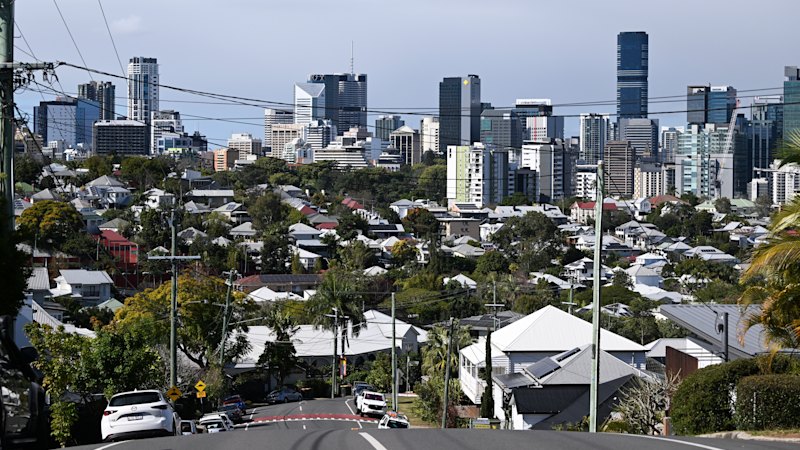
In its recommendations, the commission urged the introduction of state-managed flood and bushfire overlays and suggested that blanket character zoning does little to preserve historical significance. Notably, it highlighted that in the Brisbane City Council area, much of the land within six kilometers of the central business district is effectively zoned for low density. This zoning restricts development in areas with high demand, exacerbating affordability issues.
The LNP’s position emphasizes that maintaining character zoning is essential to preserving the unique identity of Queensland’s built environment. The government has expressed that removing or diluting these regulations could undermine long-standing planning principles.
Despite rejecting the recommendation on character zoning, the government has indicated support for 51 recommendations made by the commission, including the removal of the so-called “CFMEU tax” aimed at improving productivity. Treasurer David Janetzki acknowledged the significant productivity challenges faced by the state but highlighted ongoing reforms intended to enhance construction efficiency. He noted that previous regulations, such as Labor’s Best Practice Industry Conditions, were detrimental to productivity, projecting a cost of $20.6 billion over the next five years if left unchanged.
The government also dismissed proposals for a planning system similar to New Zealand’s, which relies on evidence-based planning through independent expert panels. The commission had suggested establishing citizen panels to allow local homeowners to request increased density in their areas, a proposal that the LNP chose not to pursue. Additionally, the idea of a statewide digital planning portal was also rejected.
In summary, while the Queensland Government has opted to retain character zoning to protect iconic homes, it acknowledges the need for broader reforms in the construction and development sectors to address ongoing challenges in housing supply and affordability.