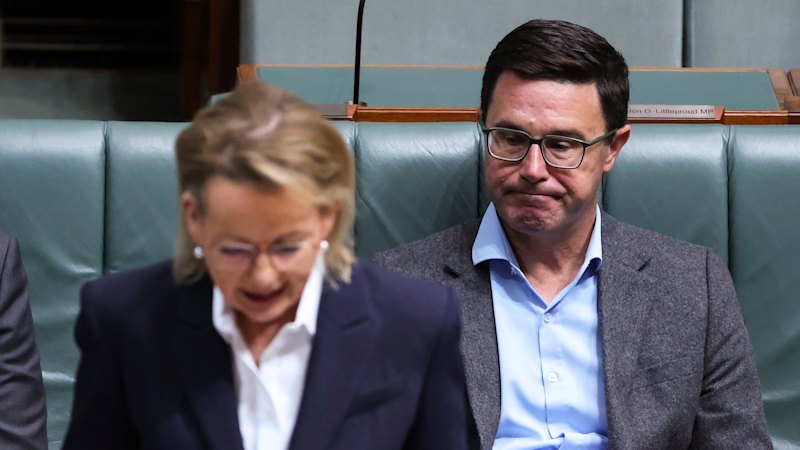
Sussan Ley, the leader of the opposition in Australia, has accepted the resignations of three National Party senators from her shadow cabinet following a significant breach of party unity. The senators—Susan McDonald, Bridget McKenzie, and Ross Cadell—defied a coalition agreement by voting against Labor’s legislation aimed at combating antisemitism and hate speech. This incident underscores the ongoing challenges Ley faces in managing a coalition that is increasingly characterized by internal discord.
The legislation in question was expedited in the wake of the Bondi terror attack, reflecting heightened sensitivities surrounding national security. Ley had initially secured a commitment from the Coalition’s shadow cabinet to support the bill, albeit with some amendments. However, by Tuesday evening, the three senators voted against it, citing confusion over the party’s position. Ley’s decision to accept their resignations on Wednesday was an attempt to reinforce her leadership and maintain a unified front within the Coalition.
The context of this political drama is crucial. The bill passed the Senate with a vote of 38 to 22, receiving support from both Labor and Liberal parties, granting the home affairs minister expanded powers to prohibit membership in designated hate groups. This rapid legislative process, which included shifting positions and failed amendments, led to significant emotional responses from lawmakers. Ley acknowledged the complex dynamics at play, noting, “They had three different positions across both houses of the parliament.”
Former Nationals leader Michael McCormack highlighted the lack of clarity surrounding the decision-making process, questioning whether the vote was collectively agreed upon in a party meeting. He stated, “Was this decided at a joint party meeting where, as one, we would either vote for or against a bill? No, it wasn’t.” McCormack suggested that Ley’s task became more difficult due to the absence of a clear consensus.
In framing the resignations, Cadell emphasized the significance of convention over rebellion, indicating that he would step down if it was deemed necessary. This raises the question of whether Ley could have opted for leniency in this instance, considering the extraordinary circumstances. She could have acknowledged the rushed process and emotional turmoil while maintaining the shadow cabinet’s integrity. However, such a decision would have posed its own risks, particularly in light of the Nationals’ history of threatening to break away from the Coalition.
Ley’s choice to enforce the rule rather than grant a waiver reflects a strategic calculation. By accepting the resignations, she aimed to uphold a standard across the Coalition, even if it strained relations with the Nationals in the short term. The Labor Party seized the opportunity to frame the situation as indicative of dysfunction within the opposition, further complicating Ley’s position as leader.
Public perception remains a critical factor for the Coalition, which is already grappling with declining primary votes and waning confidence in its governance capabilities. The ongoing internal conflicts do little to reassure voters, further entrenching doubts about the Coalition’s effectiveness.
Despite challenges faced by the ruling government under Anthony Albanese, including messaging missteps, the divided opposition allows the current administration to persist without demonstrating substantial performance. Every visible fracture within the Coalition potentially benefits figures like Pauline Hanson, whose political narrative thrives on portraying the major parties as ineffectual and compromised.
Ley’s decision to assert authority over the Coalition through these resignations may address immediate concerns of unity, but whether it strengthens the party in the long term remains uncertain. The opposition’s struggles to present a coherent front suggest that ignoring this week’s events was never an option for Ley. The political landscape continues to shift, with each development impacting the broader narrative of governance in Australia.