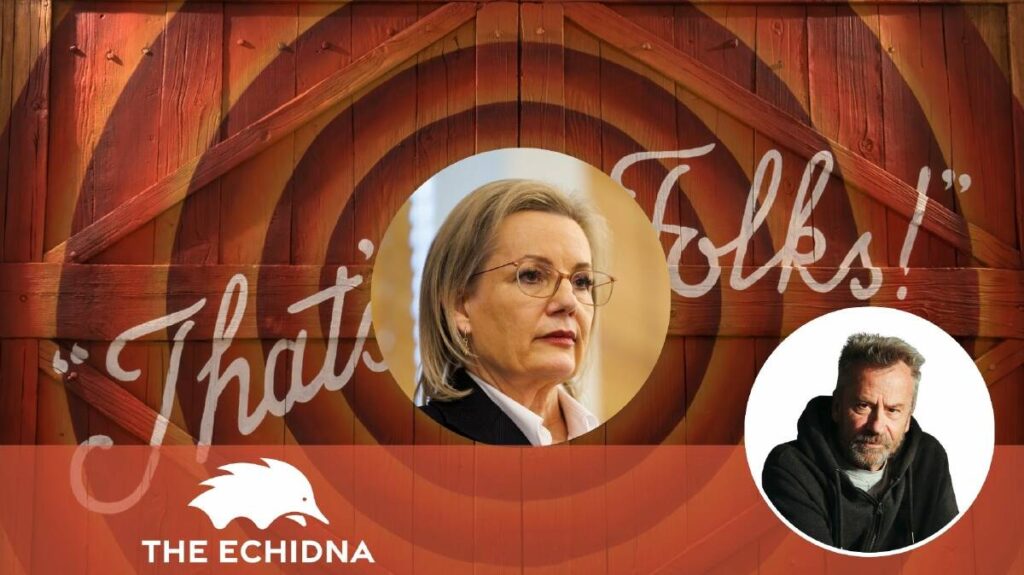
Political miscalculations have left Australian Opposition Leader Sussan Ley in a precarious situation following recent developments regarding controversial hate speech legislation. Ley’s attempt to solidify her party’s stance was met with unexpected resistance, leading to a significant political misfire that has raised questions about her leadership and the Coalition’s credibility.
In a surprising turn of events, three shadow ministers from the National Party crossed the floor to oppose the amended hate speech laws that the Coalition had chosen to support. This act of defiance not only weakened Ley’s position but also highlighted the fractures within her party at a time when unity is crucial. The legislation, once deemed “unsalvageable,” has now been salvaged, casting doubt on Ley’s ability to maintain control over her shadow cabinet.
The internal dissent has been compounded by Ley’s decision to dismiss Jacinta Nampijinpa Price, a move aimed at reinforcing cabinet solidarity. Instead, it has resulted in a public relations debacle that has undermined her authority. As the situation unfolds, political observers note that the Coalition’s inability to present a united front raises concerns about its viability as the alternative government.
In the backdrop of these events, public opinion appears to be shifting. Recent polling indicates a noticeable drift away from the major parties, particularly the Coalition, towards fringe groups like One Nation. For the first time, one poll has shown One Nation surpassing the Coalition in primary voting intentions. This shift underscores a growing dissatisfaction among voters and suggests that the Coalition’s recent missteps may have lasting repercussions.
The Coalition’s recent political performance has been characterized by inconsistency. Initially, the opposition accused the government of moving too slowly on issues related to anti-Semitism, only to later criticize it for acting too swiftly. This lack of coherent messaging has further alienated potential supporters, leaving the Coalition vulnerable to the rise of alternative parties.
Ley’s leadership has now come under scrutiny as she grapples with the fallout from these events. The political landscape is shifting, and as the Prime Minister pointed out, the emergence of fringe parties poses a significant concern for the stability of the political system. With voter sentiment increasingly favoring alternative voices, the Coalition must reassess its strategy if it hopes to regain lost ground.
It is crucial that the opposition holds the government accountable, especially during times of national crisis, yet the recent series of blunders has rendered their efforts ineffective. The challenges that lie ahead for Ley and her party are substantial, and their ability to navigate this tumultuous period will determine their future relevance in Australian politics.
As the political drama continues to unfold, the question remains: Can Sussan Ley reclaim her position and restore confidence in the Coalition? The coming weeks will be critical in defining the trajectory of not only her leadership but also the larger political dynamic in Australia.