The Sydney Festival 2026 has captivated audiences with a diverse array of dance performances, showcasing cultural richness and artistic innovation. From intimate performances to grand outdoor spectacles, the festival celebrates the transformative power of dance, immersing attendees in various artistic expressions set against the backdrop of Sydney Harbour.
Exploring Cultural Narratives through Dance
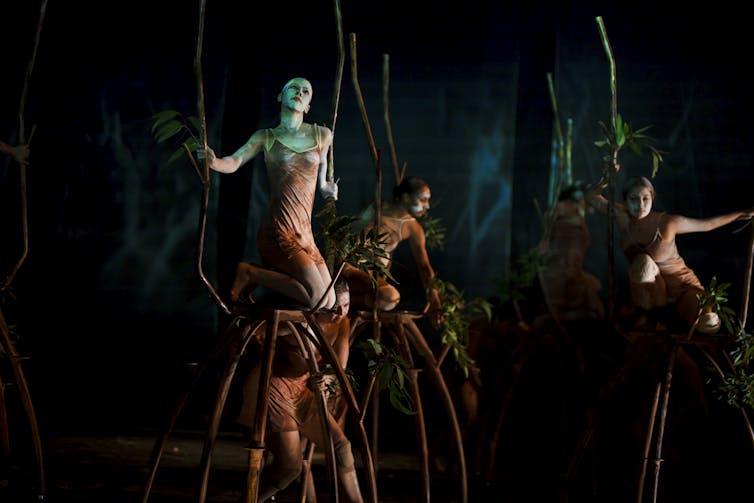
One of the standout performances was the premiere of Garrigarrang Badu, choreographed by Peta Strachan for the Jannawi Dance Clan. This all-female ensemble, comprised of dancers from across Australia, presents a powerful narrative rooted in the traditions of the Dharug Country. Strachan, a member of the Boorooberongal clan, utilizes her role as a Dharug Knowledge Holder to weave a tale that emphasizes language revitalization and cultural connection.
The title, which translates to “salt water” and “fresh water,” reflects the convergence of these elements at Sydney Harbour. The performance, featuring dancers Dubs Yunupingu and Buia David, highlights intergenerational knowledge through its choreography, which incorporates traditional tools such as digging sticks and eel traps. Strachan’s work, influenced by her time at the National Indigenous Dance College and Bangarra, blends contemporary movements with traditional forms, creating a rich tapestry of cultural expression.
Innovative Collaborations Highlight Diverse Voices
Following this, Joel Bray presented Garabari, one of his first full-length ensemble pieces. The Wiradjuri choreographer, known for his solo works, draws on personal experiences and community consultations, particularly with the late Elder Uncle James Ingram. The narrative centers on the birth of the Murrumbidgee River, framed within a captivating performance that transforms the audience into active participants.
Garabari features a variety of movement styles, reflecting Bray’s extensive training at both NAISDA and the West Australian Academy of Performing Arts. As the performance unfolds on the boardwalk of the Sydney Opera House, the audience engages in a communal experience that celebrates Indigenous culture and contemporary artistry, highlighted by music from Byron Scullin and projections by Katie Sfetkidis.
Another noteworthy performance was Exxy, presented by the UK-based Dan Daw Creative Project. This unique production combines theatre, dance, and activism, exploring themes of disability and identity through raw and emotional storytelling. Daw, alongside collaborators Tiiu Mortley, Sofia Valdiri, and Joe Brown, shares personal anecdotes that resonate deeply with the audience. The performance challenges perceptions of disability, using the metaphor of the saltbush plant to symbolize resilience and authenticity.
Refined Performances Round Out the Festival
The festival also featured Save the Last Dance for Me, choreographed by Italian artist Alessandro Sciarroni. This 20-minute piece is a revival of the early 20th-century dance form known as Polka Chinata. Performed by dancers Gianmaria Borzillo and Giovanfrancesco Giannini, the piece captures the essence of male social dance, skillfully blending contemporary elements with historical significance.
Finally, Azzam Mohammed introduced Echo Mapping, a collaboration with composer Jack Prest. This work reflects Mohammed’s roots in the hip-hop community, showcasing a dialogue between music and movement. The performance captivates audiences with its rhythmic patterns and innovative choreography, offering an intimate glimpse into the evolving landscape of contemporary dance.
As Sydney Festival 2026 comes to a close, it leaves behind a legacy of cultural exploration and artistic expression. The diverse performances not only entertain but also educate, fostering a deeper understanding of the rich tapestry of stories woven through dance.