Director Adam Meeks presents a poignant look at addiction in his feature debut, Union County, which premiered at the Sundance Film Festival. The film explores the impact of Ohio’s drug courts, which aim to rehabilitate individuals struggling with addiction through a supportive and structured environment. This narrative, based on a 2020 short film, stands out in a festival often focused on deep societal issues, offering a refreshing perspective on recovery.
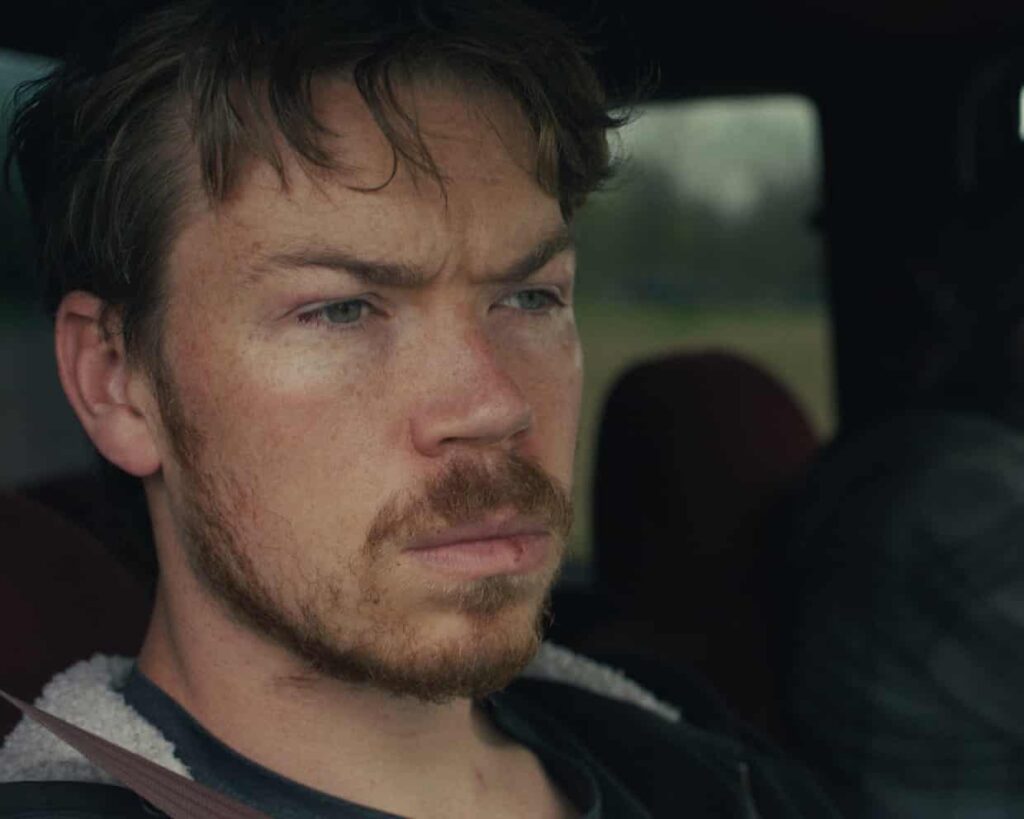
The film centers on the journey of Cody, portrayed by Will Poulter, who navigates the challenges of rehabilitation while rebuilding his life. Meeks opts for an authentic approach by casting non-actors who have participated in the drug court program, enhancing the film’s realism. The opening scene features actual participants addressing the judge, setting a powerful tone before introducing Poulter’s character. His performance is striking, as he becomes seamlessly integrated within the community depicted in the film.
Cody’s story unfolds at a deliberate pace, reflecting the everyday struggles and triumphs faced by those in recovery. The film captures the mundane yet significant aspects of Cody’s life, including job hunting and maintaining a routine, as well as his relationship with his foster brother, played by Noah Centineo. While the narrative may feel subdued at times, it effectively emphasizes the genuine experiences of the real people involved in the program.
One of the film’s strengths lies in its ability to highlight the voices of those within the drug court system. Viewers hear raw accounts of struggle and resilience, such as a woman’s revelation that sobriety has uncovered a broader emotional spectrum than she had previously known. This connection to real stories raises a compelling question: could a documentary have conveyed this message more effectively?
Despite its quieter narrative style, Union County makes a compelling case for the power of storytelling. Poulter’s portrayal, though understated, brings depth to Cody’s journey. He effectively conveys a range of emotions, from determination to vulnerability, culminating in a powerful scene of breakdown that showcases his impressive range as an actor. This performance marks a significant moment in Poulter’s career, demonstrating his capacity for complex roles.
While Centineo’s role offers a solid performance, it lacks the depth of Poulter’s character. However, the film’s true strength lies in its ability to spotlight the real individuals affected by addiction. The stories of the dedicated addiction therapist, the engaging judge, and families affected by the crisis add layers to the narrative that could have been further explored.
In conclusion, Union County serves as a testament to the potential of narrative film to shed light on serious issues like addiction. With a focus on humanizing the experience rather than simply dramatizing it, Meeks’ film offers a unique perspective that resonates well beyond its runtime. As it seeks distribution following its Sundance debut, the film has the potential to reach audiences eager for authentic stories that reflect the complexities of recovery and healing.