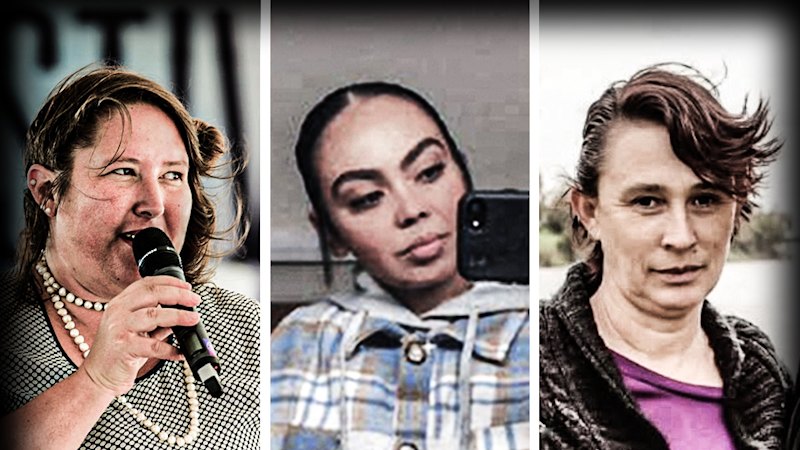
Recent domestic violence incidents have highlighted the urgent need for systemic change in Australia. In January 2026 alone, five women were killed, including Sophie Quinn, a case that has sparked outrage and demands for action. Research indicates that there are clear warning signs before such tragedies occur, yet interventions often fail.
According to Silke Meyer, a criminology professor at Griffith University, the indicators of potential harm are well-documented. These signs include stalking and a history of domestic and sexual violence, yet systems intended to protect victims frequently fall short. Meyer emphasizes the need for a coordinated response that can detect and act on these patterns before they escalate to fatal violence.
The ongoing debate around bail laws has intensified, with findings from Kate Fitz-Gibbon‘s 2024 research indicating that in 8 percent of intimate partner homicides, offenders were on bail at the time of the crime. While this is a crucial risk factor, the broader context reveals a significant increase in the number of individuals incarcerated for domestic violence offenses. Data from the NSW Bureau of Crime Statistics and Research shows a staggering 60 percent rise in domestic violence offenders in custody over the past seven years, contributing to over 25 percent of the prison population.
The situation is particularly dire for Aboriginal women, who often face additional barriers when seeking help. Antoinette Braybrook, chief executive of Djirra, an Aboriginal Family Violence Prevention and Legal Service, points out that many women using their services are in relationships with non-Indigenous men. The fear of having their children taken away often deters them from reporting violence.
The emotional toll of domestic violence extends beyond the immediate victims. Many families are shattered, with lives and futures lost due to the cycle of abuse. Fitz-Gibbon’s research reveals that in nearly one-third of femicide cases, judges noted the perpetrators had a history of intergenerational violence. This suggests a need for not only immediate interventions but also long-term support systems to break the cycle.
Despite the alarming statistics, support services are struggling to meet demand. Nicole Yade, chief executive of the Women’s & Girls’ Emergency Centre in New South Wales, notes that her organization houses 200 women and children each night, yet many more are turned away due to lack of resources. Annabelle Daniel, chief executive of Women’s Community Shelters, echoes this sentiment, stating that their services accommodate 275 women nightly, with increasing demand from rural and regional areas.
The call for comprehensive reform is clear. Experts across the country advocate for a unified response that prioritizes funding and resources for domestic violence services. Katy Gallagher, the Minister for Women, is urged to lead this initiative, ensuring all systems work together to protect women and children.
As the community grapples with the loss of lives, it is imperative to change the narrative around domestic violence. Institutions must move beyond reactive measures and adopt proactive strategies that save lives. The time for action is now. The sirens must sound to protect future generations from the devastating impacts of domestic violence.