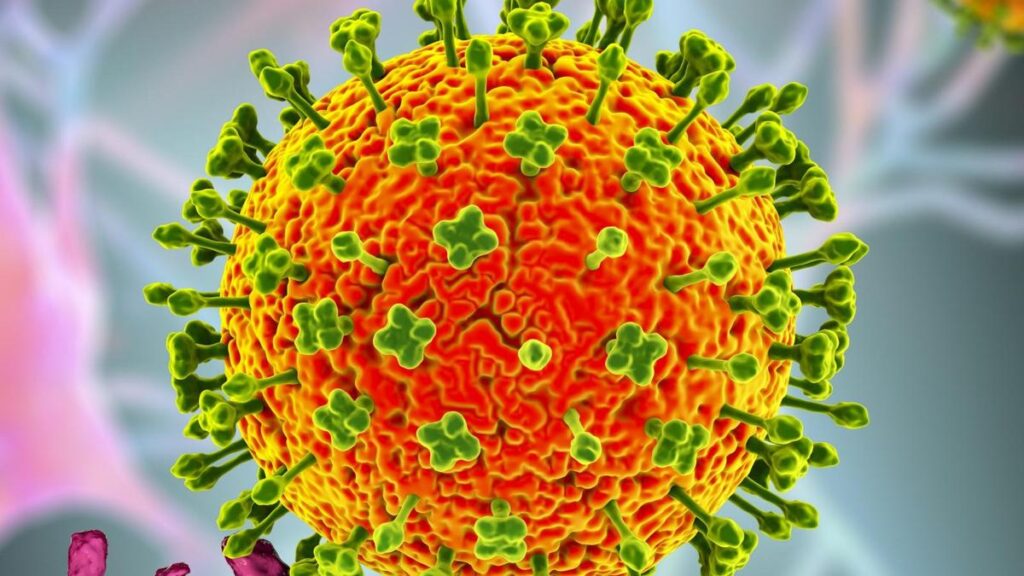
Airport authorities across Asia are implementing stricter screening measures following the detection of the deadly Nipah virus in India. This highly infectious virus has a fatality rate ranging from 40% to as high as 75%. The two reported cases were identified in West Bengal late last year, prompting a swift response from health officials in neighboring countries.
Among these measures, Bali’s Gusti Ngurah Rai International Airport has introduced four thermal scanner units designed to detect symptomatic passengers. According to Gede Eka Sandi Asmadi, a communications representative for the airport, “If symptomatic passengers are detected, the quarantine office will refer them to Ngoerah Central General Hospital in Denpasar.” Passengers exhibiting symptoms similar to those of the Nipah virus, such as fever, are encouraged to report to airport or quarantine officials immediately.
In addition to Indonesia, other countries including Thailand, Singapore, Hong Kong, and Malaysia have heightened their airport safety protocols. The Nipah virus, primarily found in fruit bats, poses a significant threat to both humans and animals. Since its first identification in 1999, it has been associated with outbreaks in Bangladesh and India, where the consumption of contaminated fruits or fruit products, particularly raw date palm juice, has been linked to infections.
The World Health Organization (WHO) has noted that while human-to-human transmission is possible, it occurs less frequently. Symptoms of the Nipah virus are akin to flu-like illnesses, encompassing fever, fatigue, muscle pain, coughing, and sore throat. In severe cases, it can lead to pneumonia or encephalitis, which is an inflammation of the brain. Survivors may experience long-term neurological effects, including persistent seizures and personality changes.
Given the seriousness of this health threat, the Australian Centre for Disease Control has issued guidelines for travelers heading to regions where the Nipah virus has been reported. Recommendations include avoiding contact with animals, particularly fruit bats and pigs, and steering clear of fruits that may have been in contact with potentially infected animals. Additionally, travelers are advised against consuming raw or fermented date palm juice, which could pose a risk of contamination.
The situation underscores the importance of maintaining good hygiene practices and avoiding contact with individuals displaying illness. As authorities continue to monitor the spread of the Nipah virus, the emphasis remains on proactive measures to ensure public safety at airports and beyond.