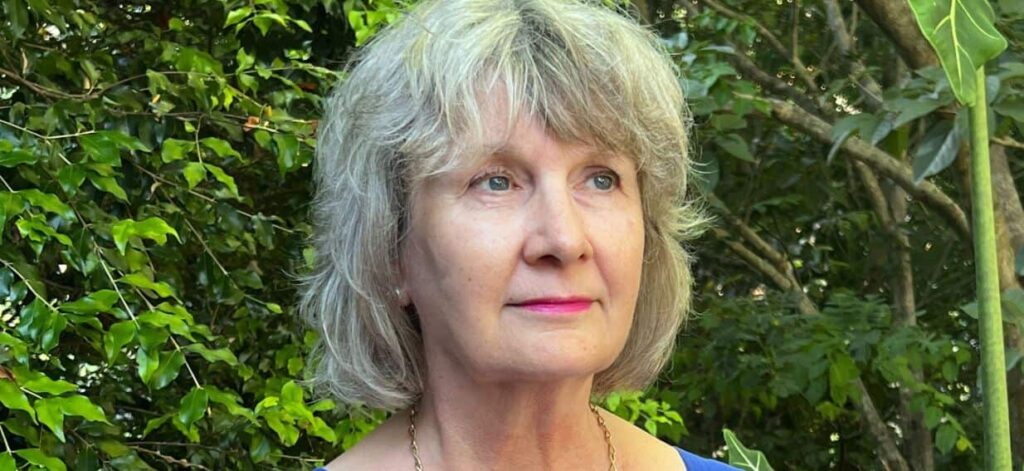
A mother in the United States has come to terms with the startling revelation that her daughter may have hundreds of half-siblings, a discovery that has left her grappling with feelings of guilt and anxiety. This situation arose after Carol’s two children were conceived using donor sperm in the late 1990s, a choice made with the intent to create a loving family.
Over two decades later, the implications of that decision have come to light, highlighting the complex realities of donor conception in the modern age. The family’s journey began when Carol decided to use a genetic testing service, 23andMe, in hopes of understanding more about their ancestry. The results, however, revealed a staggering number of genetic matches, indicating that her daughter could potentially share DNA with numerous individuals across the globe.
The emotional impact of this discovery has been profound. Carol expressed that she never anticipated the magnitude of half-siblings her children could have. “It’s overwhelming to think my daughter might have hundreds of half-siblings,” she reflected. This realization has not only challenged her understanding of family but also provoked deep-seated feelings of guilt for the choices made years ago.
In the 1990s, donor sperm was often chosen for various reasons, including infertility or single motherhood. Carol’s decision was influenced by the desire to provide her children with a stable home and the opportunity for a fulfilling life. However, the advent of genetic testing has introduced new dynamics, revealing connections that were previously unimagined.
The ethical considerations surrounding donor conception are complex. Many parents, like Carol, have navigated this landscape without fully understanding its implications. As the landscape of genetic testing continues to evolve, families are increasingly faced with the reality of their choices and the unforeseen consequences that can emerge years later.
In light of this situation, Carol has taken steps to educate herself and her family about the broader implications of donor conception. She acknowledges that while the initial intent was to create a loving family, the reality of potentially having hundreds of half-siblings alters that narrative significantly.
As more individuals engage with genetic testing, stories like Carol’s are likely to become more common. Families will need to confront not only the joys of discovering new relatives but also the emotional complexities that accompany such revelations. The conversation surrounding donor conception is evolving, highlighting the need for more comprehensive discussions about the long-term effects of these decisions.
Carol’s experience serves as a poignant reminder of the importance of understanding the implications of donor sperm and the impact that modern technology can have on family dynamics. While the initial choice may have been made with love and intention, the consequences can ripple outward in unexpected ways, prompting families to rethink their narratives and the meaning of kinship in a world where genetic connections are becoming increasingly visible.
This evolving landscape of donor conception and genetic testing underscores the necessity for future parents to consider not just their immediate desires, but the long-term ramifications of their choices on their children’s identities and relationships. Carol’s story illustrates that the journey of parenthood is often filled with unanticipated challenges and revelations, leading to deeper conversations about family, identity, and connection in the 21st century.