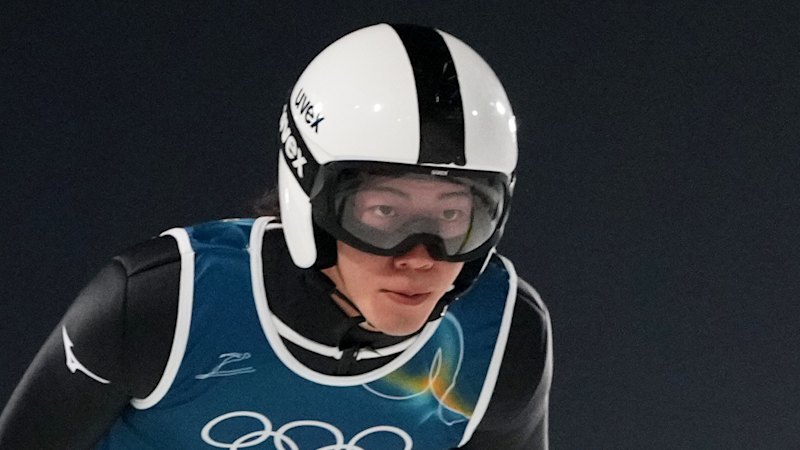
The upcoming 2026 Winter Olympics is facing scrutiny over allegations that some male ski jumpers may be attempting to artificially enhance their bodies for competitive advantage. The World Anti-Doping Agency (WADA) is investigating claims that athletes could be manipulating body-scanning measurements to gain an aerodynamic edge by temporarily enlarging their penises.
Olivier Niggli, WADA’s director general, addressed the issue during a press conference in Milan ahead of the Games. He stated that the agency would investigate whether these practices could be classified as doping. This response follows a report published by the German newspaper Bild, which highlighted concerns about potential doping methods in ski jumping.
Allegations of Manipulation and Its Impact
The controversy centers on the 3D body-scanning technology used to size ski jumpers’ suits. These skin-tight suits are critical for performance, as any excess material can provide an unfair lift during jumps. According to the regulations, the suit’s crotch can extend to the bottom of an athlete’s genitals, which means that an enlarged penis could potentially allow for more performance-enhancing material.
The Bild report detailed insider discussions suggesting that some athletes might be injecting hyaluronic acid into their penises to alter the measurement point for their suits. This manipulation could lead to a more aerodynamic fit and ultimately improve jump performance. Kamran Karim, a senior consultant at Maria-Hilf Hospital in Krefeld, explained that such procedures could create a temporary thickening but do not result in any permanent lengthening. He cautioned that these injections are not medically indicated and carry risks.
Research published in the journal Frontiers indicated that for every two-centimeter increase in the circumference of a ski suit, there is a corresponding five percent increase in lift and a four percent increase in drag. This could translate to an estimated increase of 5.8 meters in jump distance, underscoring the potential performance benefits of suit manipulation.
WADA’s Response and Previous Incidents
During the press conference, Niggli emphasized that WADA has not received credible evidence to suggest that these practices are currently taking place. He stated, “If any sign was to come to the surface, we will look at it.” WADA only intervenes when a method of cheating is confirmed to fall within doping regulations.
In light of previous incidents in the sport, the allegations have raised alarm. Last year, two Norwegian Olympic medalists, Marius Lindvik and Johann Andre Forfang, received three-month suspensions after it was discovered that their team had covertly adjusted seams in their suits during the 2025 World Ski Championships. This incident led to additional bans for three coaching staff members.
The International Ski and Snowboard Federation has yet to comment on the current allegations. Meanwhile, WADA president Witold Banka acknowledged the reports with a smile, noting the popularity of ski jumping in his native Poland and indicating that he would look into the matter.
As the 2026 Winter Olympics approaches, the integrity of the sport remains a significant concern, with officials keen to ensure that all athletes compete on a level playing field. The emergence of such allegations not only threatens the reputation of ski jumping but also raises broader questions about the effectiveness of existing doping regulations.