




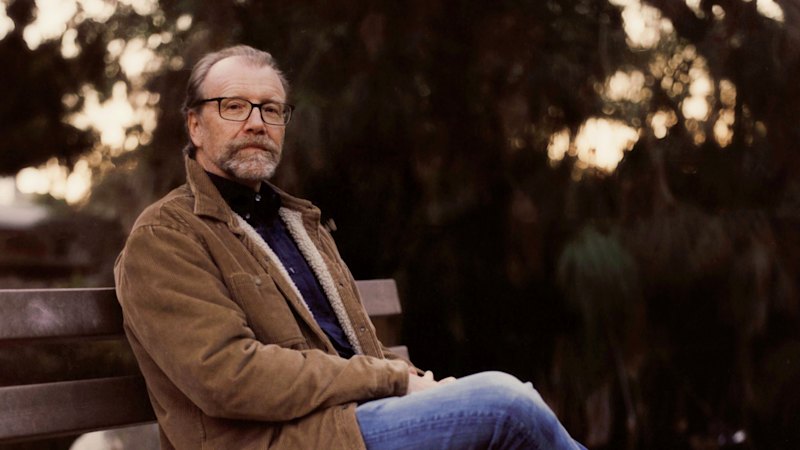
UPDATE: In a shocking literary return, acclaimed author George Saunders has just released his highly anticipated novel, Vigil, delving into the psyche of a dying billionaire oil tycoon. This gripping narrative unfolds during the final hours of K.J. Boone, a character symbolizing the destructive impact of corporate greed and climate change denial.
The novel, published by Bloomsbury, is Saunders’ first in nearly a decade and follows his celebrated work, Lincoln in the Bardo, which won the Booker Prize in 2017. Vigil is described as a theological inquiry into whether forgiveness is possible for those who have wrought havoc on the world.
In an exclusive interview, Saunders revealed that the inspiration for Boone’s character stemmed from his own experience working in the oilfields. Reflecting on a pivotal moment in Singapore, he witnessed women laboring under harsh conditions, prompting him to question societal injustices. “When I saw those women at that hotel foundation, something kicked in,” he remarked, highlighting a transformation that led him to explore themes of morality and consequence through literature.
The novel’s narrative is led by Jill “Doll” Blaine, a spirit who guides Boone through his reckoning, confronting him with the spirits of those affected by his empire. “Part of the mental gymnastics was to say, ‘What if I had stayed in the oil business?’” Saunders explained, grappling with the moral complexities of success and responsibility.
Saunders’ writing continues to shine a light on overlooked voices and societal issues. Vigil is a reflection of today’s urgent conversations around environmental collapse and the moral compass of billionaires. As he navigates the chaotic afterlife of Boone, readers are invited to confront uncomfortable truths about power, greed, and accountability.
The novel is not just a portrayal of death but also a critique of the systems that allow individuals like Boone to evade consequences. “I’m struggling with this right now for obvious reasons,” Saunders noted, indicating his awareness of the broader implications of his storytelling.
Saunders’ unique narrative style invites readers to engage with profound themes while experiencing the strange and unsettling imagery that characterizes his work. The story promises to be a compelling exploration of redemption, begging the question: Can one truly atone for a lifetime of destruction?
Vigil is available now, and with its release, Saunders reaffirms his position as a vital voice in contemporary literature, tackling the complexities of human experience amidst a backdrop of moral and environmental crises. Readers are encouraged to join this urgent conversation and reflect on the lessons of life, death, and everything in between.
