




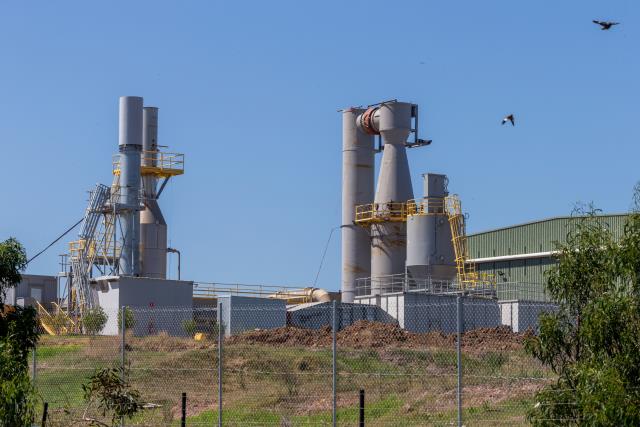
UPDATE: The Environment Protection Authority Victoria (EPA) has officially rejected Veolia’s application to construct a new toxic waste cell at the Taylors Road landfill in Lyndhurst, escalating tensions over public health and environmental safety. The EPA’s decision, announced earlier today, stems from serious concerns that the proposed Cell 21 would exceed the licensed limits for hazardous waste at the site.
The EPA has made it clear that construction of Cell 21 could lead to violations of Veolia’s operating license, which specifies that reportable priority waste must not constitute more than 35 percent of all waste deposited. An EPA spokesperson stated, “Discussions with the company about licensing issues are ongoing. EPA will not consider further applications for cell construction until these are resolved.”
Opposition to the landfill has intensified, particularly from the Greater Dandenong Council, which is calling for the immediate closure of the site due to potential health risks for local residents and workers. These concerns have grown following a series of EPA orders and fines related to environmental breaches at the site in 2023 and 2024, including issues with leachate, dust, and landfill gas.
Cell 21 is critical for extending the operational life of Victoria’s only landfill licensed for Category B hazardous waste. Veolia estimates that it would take approximately six years to fill Cell 21, but this timeline is contingent on market demand for disposal options.
A Veolia spokesperson defended the landfill as “a vital part of Victoria’s waste management system,” emphasizing its role in disposing of contaminated packaging and non-treatable contaminated soils. They added, “The construction of Cell 21 ensures these materials can be disposed of until other alternatives can be found.”
The landfill’s double composite-liner design reportedly exceeds EPA best practice standards, but the controversy continues to spark questions about the site’s future. At a community reference group meeting last year, a Veolia representative indicated ongoing discussions with the state government regarding the necessity of Cell 21, despite a previous commitment by the Labor State Government to close the landfill by 2020.
Sanjay Manivasagasivam, Greater Dandenong’s city futures executive director, reiterated the council’s commitment to closing the landfill “as soon as possible.” He indicated that if Veolia submits a new application for Cell 21, the council will carefully review it and respond accordingly.
As the situation develops, community advocates and local officials continue to monitor the EPA’s next steps closely. The urgency surrounding this issue underlines the critical balance between waste management needs and public health concerns in Victoria.
The EPA’s firm stance raises significant questions about the future of hazardous waste disposal in the region, making it essential for residents and policymakers to stay informed on forthcoming decisions.
