Recent research from Flinders University has opened a groundbreaking avenue in forensic science, revealing that household pets can act as critical intermediaries in the transfer of human DNA at crime scenes. This study, led by Heidi Monkman, a PhD student at Flinders, along with experts from the Victoria Police Forensic Services, highlights the significant role pets may play in solving crimes.
The collaborative research indicates that dogs and cats can carry DNA from individuals outside their household, which may provide essential leads in criminal investigations. “Dogs and cats are present in the majority of households worldwide and they routinely interact with multiple people and environments,” said Dr. Monkman. “Our findings show that they can act as intermediaries in human DNA transfer, which has significant implications for case work where animals are present.”
The studies conducted by the researchers demonstrate that even brief interactions between pets and individuals of interest can leave detectable DNA traces on the animals. These findings suggest that pets may inadvertently transfer human DNA as they move through their environments, potentially linking their owners to crime scenes where they have not physically been present.
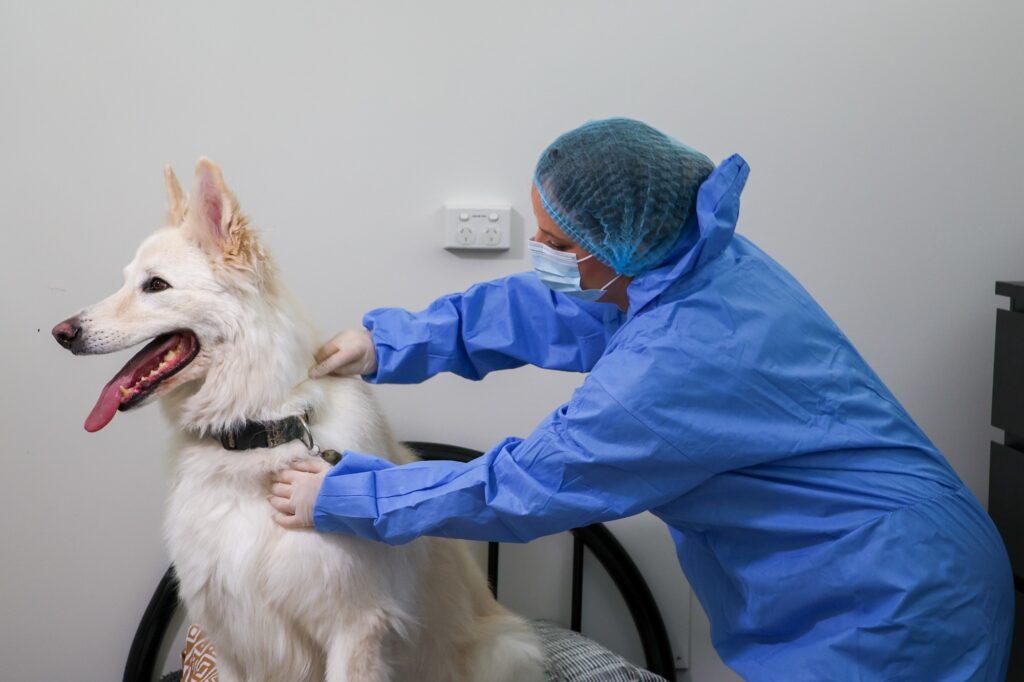
In one notable experiment titled “Investigation of human DNA transfer during mock dog-napping,” researchers placed five dogs in vehicles unfamiliar to them. After a twenty-minute period, the dogs returned home, where DNA samples were collected one hour later. This controlled interaction allowed the team to monitor how DNA could be transferred and subsequently detected.
Dr. Mariya Goray, a Senior Lecturer in Forensic Science at Flinders and co-author of several articles on this topic, emphasized the importance of considering pets in forensic investigations. “These findings highlight the need for forensic investigators to carefully consider the presence of pets at crime scenes both as a possible new avenue for investigative leads, but also as a possible mechanism for indirect transfer and contamination,” she stated.
The research also included a study assessing the role of cats in human DNA transfer, published in Forensic Science International. Out of 20 different cats tested, quantifiable human DNA was detected in 16, or 80%, of the samples taken. This indicates that cats, much like dogs, can also contribute to DNA transfer dynamics.
The implications of these studies are profound, suggesting that pets may serve as “silent witnesses” in crime investigations. With approximately 60% of households owning pets, and up to 90% having had a pet at some stage, their presence in forensic contexts could alter traditional investigative approaches.
As forensic science continues to evolve, the integration of animal-mediated DNA transfer analysis could become a vital tool for law enforcement agencies. Dr. Monkman and her colleagues are actively working to further explore this phenomenon, aiming to refine methodologies for collecting and analyzing DNA from pets at crime scenes.
The comprehensive research article titled “Investigation of human DNA transfer during mock dog-napping” is set to be published in the February 2026 edition of Forensic Science International. This study not only sheds light on the potential for pets to aid in criminal investigations but also emphasizes the importance of understanding the dynamics of DNA transfer in various contexts.