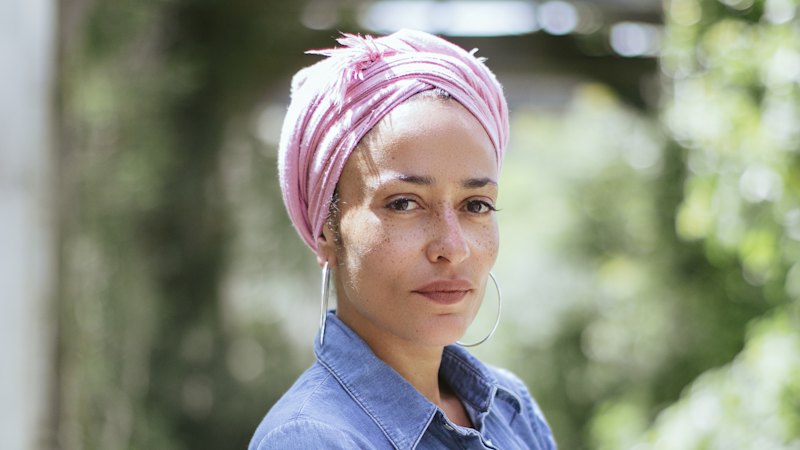
Acclaimed novelist Zadie Smith has decided to withdraw from the upcoming Adelaide Writers’ Week, scheduled for March 2024, citing her belief that writers have a fundamental duty to engage in pressing societal issues. Smith’s announcement has sparked discussions about the responsibilities of literary figures in today’s complex world.
In a statement released on her social media platforms, Smith articulated her reasons for stepping back from the event, highlighting the pressures faced by writers to remain relevant and vocal. She expressed concern over what she termed the “logic of the mob,” referring to the growing tendency for public figures to be scrutinized and judged harshly for their opinions. Smith believes that this environment can stifle meaningful discourse among writers and artists.
Smith’s decision has resonated within the literary community, where many share her sentiments about the challenges of speaking out. “We are in a moment where silence can be interpreted as complicity,” she noted. The novelist underscored the importance of using one’s platform to foster discussion and promote understanding, particularly in an age marked by division and conflict.
The Adelaide Writers’ Week is known for attracting a diverse array of authors, poets, and thought leaders from around the globe. Organizers expressed disappointment at Smith’s withdrawal but acknowledged her right to prioritize her beliefs. Adelaide Writers’ Week director, Joan Nestle, stated, “We respect Zadie’s decision and hope to continue fostering a space for open dialogue.”
Smith’s remarks have prompted broader reflections on the role of artists in political and social conversations. Many writers have voiced support for her stance, suggesting that the literary world must grapple with the implications of silence amidst societal challenges.
As the event approaches, the literary community continues to navigate the complexities of artistic expression. Smith’s withdrawal serves as a reminder of the delicate balance between personal beliefs and public expectations in the realm of writing. The conversation around these themes is likely to persist, underscoring the evolving landscape of literature and its intersection with society.
In light of her decision, many are left to ponder: what does it mean to be a writer in today’s world? Smith’s actions and words challenge her peers to consider their own responsibilities and the impact of their voices. As the literary landscape shifts, the need for open dialogue becomes ever more critical.