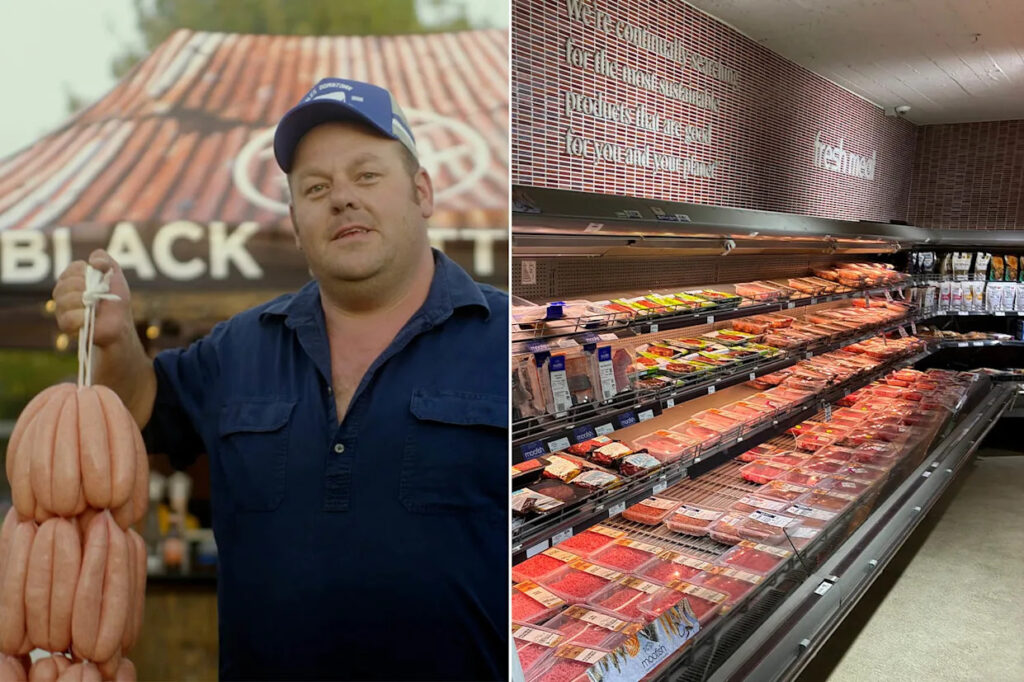
In a remarkable shift reflecting changing consumer preferences, Australian butcher Dale Goodwin reports a resurgence in local butchery as demand for artisan products grows. Operating in the New South Wales region, Goodwin has witnessed a significant transformation in the meat industry, countering years of decline attributed to the convenience of supermarket shopping.
By 5 a.m. each day, Goodwin is busy preparing carcasses by hand and crafting smallgoods from local pork and beef. His family-run shop represents a full paddock-to-plate operation, a model he has cultivated over three decades. “In a typical day, I start at five o’clock in the morning, preparing all our carcasses for sale and wholesale orders,” Goodwin shared in an interview with Yahoo News Australia. Having grown up in the trade, he describes butchery as an art that is regaining its prominence.
“For years, I thought butchery was a dying trade, but now it’s become more of an art,” Goodwin said. The past 15 years have seen a significant evolution. According to him, the surge in interest in handmade, locally produced food aligns with a broader societal shift towards conscious consumption, especially among younger customers.
Consumer data supports Goodwin’s observations. Research conducted by Roy Morgan, commissioned by the Australian Made Campaign, indicates that 95 percent of Australians are more likely to purchase locally made products, with 72 percent willing to pay a premium—often up to 10 percent more— for these goods. Furthermore, about 67 percent of respondents plan to increase their purchases of Australian-made products in the coming year.
This trend is mirrored in the gourmet food market, which was valued at approximately $782 million in 2024. It is expected to grow at over nine percent annually through 2033, driven by rising demand for specialty food products that are traceable and ethically produced. Independent butchers like Goodwin are benefitting from consumers’ preferences for grass-fed, organic, and breed-specific meats, while artisan bakery items—such as sourdough—continue to outperform standard packaged loaves.
Beyond food, there is also a marked growth in the handicrafts sector, which includes handmade pottery, furniture, and textiles, expanding at an estimated 12.4 percent compound annual growth rate. A separate survey from CommBank iQ found that 84 percent of Australians view locally manufactured goods as increasingly important, highlighting trust and sustainability as key motivators.
Seasons of New England Expo Showcases Local Artisans
Goodwin is among many regional producers participating in the upcoming Seasons of New England Expo in Uralla. This event has become a significant platform for local growers, producers, and artisans. “It’s a conglomerate of handmade, artisan products and producers,” he remarked. With an expected attendance of around 6,000 people in a town of just 2,700 residents, the expo has seen remarkable growth.
Richard Moon, a local silversmith also attending the expo, has noticed a resurgence in the artisan market. “At other markets, I often find myself repeating the phrase, ‘everything I’m offering is handmade,’ because it’s too easy for truly artisanal products to get lost amongst mass-produced items,” he said. “But at Seasons of New England, attendees understand that everything has been lovingly created by the vendors.”
The expo, scheduled for March 28 and 29, 2024, is expected to generate a boost of approximately $2 million for the regional economy. With over 60 percent of attendees traveling more than 100 kilometers to participate, many are opting for overnight stays in Uralla and nearby areas, further contributing to local economic growth.
As consumer interest in locally sourced products continues to rise, Goodwin and his fellow artisans are well-positioned to thrive in this evolving marketplace. The trend not only reflects a changing landscape in the meat industry but also underscores a broader movement towards valuing quality, sustainability, and local craftsmanship.