The field of microplastics research is currently navigating a landscape filled with significant challenges and unanswered questions. Despite the growing awareness of microplastics’ impact on the environment, the scientific community is grappling with complexities in understanding their effects on both marine life and human health.
Historical Context and Current Concerns
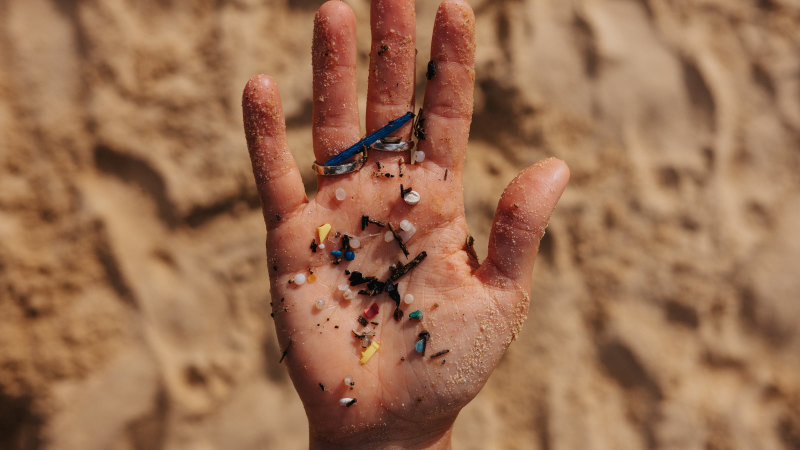
Microplastics, defined as plastic particles smaller than five millimeters, have become a focal point of environmental studies since their identification. Their origins trace back to the 1960s, a time when plastics were hailed as revolutionary. In 1966, while the Soviets made headlines for landing on the moon and the Beatles dominated the music scene, plastic’s durability and versatility were celebrated. Fast forward to today, and this once-celebrated material poses a significant threat to ecosystems and health.
Recent studies indicate that microplastics are pervasive in water sources, food supplies, and even the air we breathe. According to the World Health Organization, microplastics have been detected in human tissues, raising concerns over their long-term health effects. The Environmental Protection Agency is currently assessing the risks associated with microplastic exposure, emphasizing the need for further research.
The Global Response and Ongoing Research
In response to the rising concerns surrounding microplastics, international bodies are convening to address these challenges. The United Nations has initiated discussions to establish global standards for plastic waste management. During these meetings, experts stress the urgency of developing effective strategies to mitigate microplastic pollution.
Research initiatives are underway, focusing on understanding how microplastics interact with marine organisms and the potential consequences for the food chain. Marine life is particularly vulnerable, as studies show that microplastics can accumulate in the digestive systems of fish and other sea creatures. This accumulation not only affects marine biodiversity but also poses risks to human health through seafood consumption.
Moreover, the scientific community is exploring innovative solutions to tackle microplastic pollution. Researchers are investigating biodegradable alternatives and improved recycling methods that could significantly reduce the introduction of plastics into the environment. The goal is to find sustainable approaches that balance human needs with environmental protection.
Despite the progress, the field faces daunting questions. The full extent of microplastics’ impact on health and ecosystems remains largely unknown. Scientists continue to call for comprehensive studies that can provide clearer insights into the long-term effects of microplastics on both marine and human populations.
As awareness grows, so does the demand for action. Environmental advocacy groups are pushing for stricter regulations on plastic production and waste management. The challenges presented by microplastics are a complex puzzle, but the urgency to solve it is clear. The future of marine life, human health, and ecological balance hangs in the balance as researchers strive to uncover the truth behind these tiny yet formidable particles.