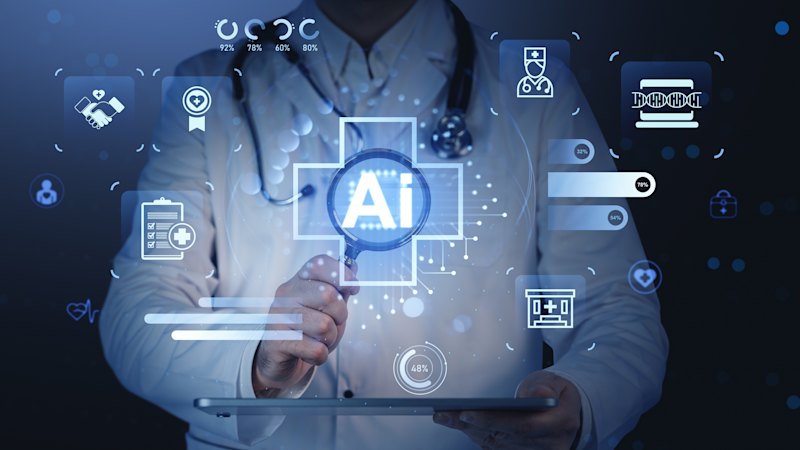
In a case highlighting the potential of artificial intelligence in healthcare, an individual shared their experience of their sister’s undiagnosed illness, emphasizing how AI could have made a significant difference. The challenges faced by patients with serious illnesses often stem from a lack of timely and accurate diagnostics, which can jeopardize treatment options.
The issue of misdiagnosis is not uncommon. According to a study published in the British Medical Journal, approximately 12 million adults in the United States experience diagnostic errors annually. Such errors can lead to delayed treatment and worsening conditions, particularly for patients suffering from complex medical issues.
AI’s Role in Improving Diagnostic Accuracy
Artificial intelligence has emerged as a promising tool that could help healthcare providers overcome these barriers. By analyzing vast amounts of data, AI algorithms can identify patterns that might be overlooked by human clinicians. This is particularly relevant in cases where the symptoms are ambiguous or when patients present with multiple health issues simultaneously.
A report from McKinsey & Company states that AI could potentially reduce diagnostic errors by up to 30%, improving outcomes for countless patients. As healthcare systems increasingly integrate technology into their practices, the focus on AI-driven solutions is likely to intensify.
For instance, AI-powered tools can assist in interpreting medical imaging and laboratory results, providing a second opinion that can either confirm or challenge a physician’s initial assessment. This collaborative approach can enhance the overall diagnostic process, ultimately leading to more effective patient management.
Barriers to AI Implementation in Healthcare
Despite the potential benefits, several barriers hinder the widespread adoption of AI in healthcare. One major concern is the integration of AI systems with existing medical infrastructure. Many healthcare providers lack the necessary resources or training to implement these advanced technologies effectively.
Furthermore, there are ethical considerations surrounding patient data privacy. Health organizations must ensure that AI systems comply with regulations while also protecting sensitive patient information. The successful integration of AI will require collaboration between technology developers, healthcare providers, and regulatory bodies to create a safe and effective environment for innovation.
As the healthcare landscape continues to evolve, the application of AI could revolutionize the way serious illnesses are diagnosed and treated. For patients like the sister of the individual who shared her story, AI may soon provide the timely answers they desperately need.
In conclusion, while challenges remain, the potential of AI to enhance diagnostic accuracy and improve patient outcomes is undeniable. As healthcare continues to advance, embracing technology will be crucial to addressing the needs of patients facing serious health conditions.