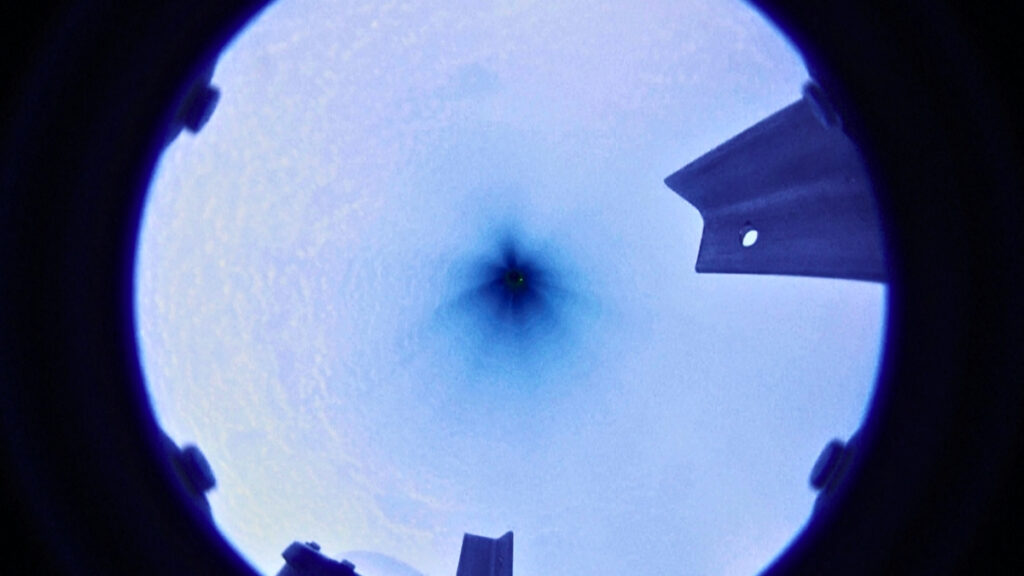
A groundbreaking drilling project beneath the Antarctic ice has unveiled significant climatic insights dating back approximately 23 million years. Conducted by a team of researchers from the University of California, this ambitious initiative has provided unprecedented access to ancient climate data, challenging previous understandings of Earth’s historical climate fluctuations.
The ice core drilling took place in a remote area of East Antarctica, where scientists extracted samples from deep within the ice. The findings have revealed surprising information about the conditions that prevailed during critical periods in Earth’s history, particularly during the transition from warmer to cooler climates. These insights are vital for understanding current climate trends and potential future changes.
According to the research published in the journal *Nature*, the data collected indicates that the Antarctic region experienced significant changes in temperature and precipitation patterns long before the onset of the current ice age. The core samples contained microscopic fossils and chemical signatures that paint a picture of an ecosystem vastly different from today. The analysis shows that the region was once home to lush forests and diverse wildlife, suggesting that the Antarctic was not always the icy expanse it is today.
Implications for Climate Research
These findings have notable implications for climate science. The researchers emphasize that understanding the ancient climate can help predict how current and future global warming may impact polar regions. The Antarctic ice sheet plays a crucial role in regulating global sea levels, and changes in its stability could have widespread effects worldwide.
Lead researcher Dr. Elizabeth Smith, an expert in paleoclimatology, stated, “This drilling project has opened a window into a time when the Earth was much warmer than it is today. These ancient records are invaluable for understanding how climate systems respond to changes in greenhouse gas levels.”
The project highlights the importance of continued exploration and research in remote regions, which can yield critical data for addressing contemporary climate challenges. As scientists continue to analyze the core samples, they aim to refine climate models that predict future changes, providing essential insights for policymakers and environmentalists alike.
A Call for Action
While the findings contribute to a more comprehensive understanding of Earth’s climatic history, they also serve as a stark reminder of the urgency surrounding climate change. The research underscores the need for immediate action to mitigate the impacts of rising temperatures and shifting weather patterns.
Governments and organizations worldwide are urged to consider these revelations in their climate policies. Strengthening commitments to reduce greenhouse gas emissions and investing in sustainability initiatives are essential steps toward protecting the planet’s future.
As the world grapples with the realities of climate change, studies like this one illuminate the past, guiding efforts to safeguard the future. The revelations from beneath the Antarctic ice not only surprise but also provide a critical framework for how humanity approaches the looming climate crisis.