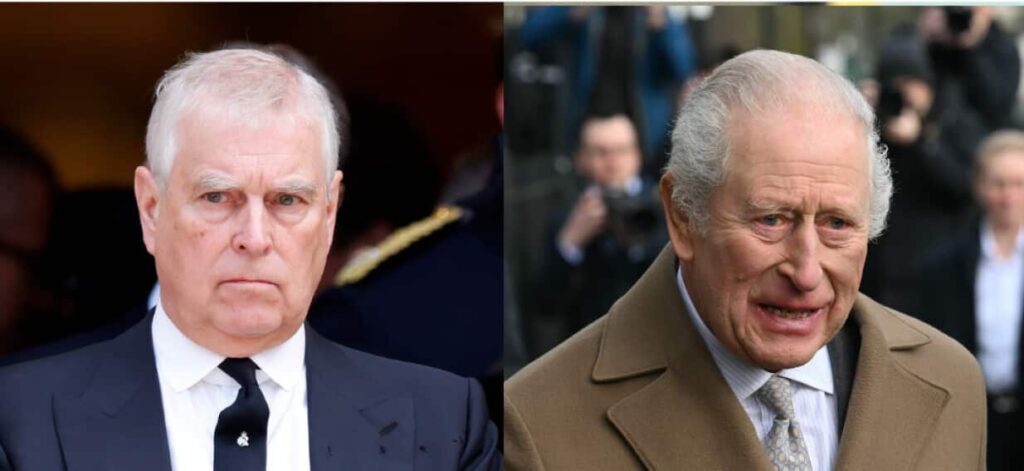
The recent arrest of former Prince Andrew has sent shockwaves through the British royal family and raised questions about its future stability. On March 3, 2023, the Metropolitan Police arrested Andrew as part of an ongoing investigation into allegations of sexual misconduct linked to his association with convicted sex offender Jeffrey Epstein. The implications of this incident could resonate far beyond the walls of Buckingham Palace.
The royal family has faced numerous controversies over the years, but the arrest of a senior member is unprecedented in modern history. In the past, the arrest of a royal led to significant changes within the monarchy. Analysts are now considering whether this event could trigger similar ramifications for the current royal structure.
Prince Andrew’s legal troubles are not new. He has faced allegations from Virginia Giuffre, who claims she was trafficked by Epstein and forced to have sexual encounters with Andrew when she was a minor. Andrew has consistently denied these allegations. His arrest comes after a long history of public scrutiny and criticism regarding his associations and conduct.
Potential Consequences for the Royal Family
The fallout from Andrew’s arrest could be substantial. Public opinion has already shifted against him, and there is increasing pressure on the royal family to distance itself from his actions. “The monarchy must adapt to maintain its relevance,” noted royal historian Dr. Sarah Gristwood. “This situation poses a significant challenge to their public image.”
The royal family has long been viewed as a symbol of national unity and stability in the United Kingdom. However, with Andrew’s arrest, there is a growing concern about the impact on the monarchy’s reputation. The last time a royal faced arrest, it led to profound changes within the institution. Observers are now questioning whether this incident could lead to a re-evaluation of the family’s role in modern society.
In light of these developments, Buckingham Palace has issued a brief statement, emphasizing its commitment to supporting Andrew while also acknowledging the seriousness of the allegations. The palace’s response will be crucial in determining how the public perceives the royal family’s handling of the situation.
Public Reaction and Future Implications
Public sentiment is increasingly critical of the royal family, particularly regarding its handling of allegations against Andrew. Social media has erupted with calls for accountability and transparency, reflecting a broader societal demand for integrity within institutions. “People are no longer willing to overlook the past,” commented political analyst James O’Sullivan. “This could be a defining moment for the monarchy.”
As the investigation unfolds, the royal family will need to navigate a complex landscape of public opinion, legal challenges, and historical precedents. The outcome of this case could set a significant precedent for how the monarchy operates moving forward.
These developments come at a time when the royal family is already under scrutiny due to the fallout from the departure of Prince Harry and Meghan Markle from royal duties. The internal dynamics of the family are shifting, and Andrew’s arrest adds another layer of complexity to an already delicate situation.
While the immediate focus remains on the legal proceedings against Andrew, the long-term effects on the royal family and its standing in British society are likely to be profound. As history has shown, the monarchy must adapt to survive, and this latest controversy may catalyze significant changes in how it engages with the public.
In conclusion, the arrest of former Prince Andrew is a pivotal moment for the British royal family. The implications of this situation extend beyond legal ramifications, potentially reshaping the monarchy’s future in a rapidly changing world. The coming weeks will be crucial in determining how the royal family responds to this challenge and what it means for its legacy.