The families of individuals who died in custody in Victoria face significant hurdles as they seek justice and compensation. The process, already fraught with emotional and legal complexities, is being further complicated by lengthy delays in the assessment of psychological and physical injuries linked to these deaths.
The independent medical panels are tasked with evaluating the extent of injuries and determining if families have a legal claim against the Victorian government or its entities, including the police, public hospitals, or prisons. Yet, the average waiting time for these assessments has now reached between nine to ten months for psychological injuries and eight to ten months for physical injuries. Critics argue that these delays serve as a tactic for the government to avoid compensation, all while potentially retraumatizing those pursuing justice.
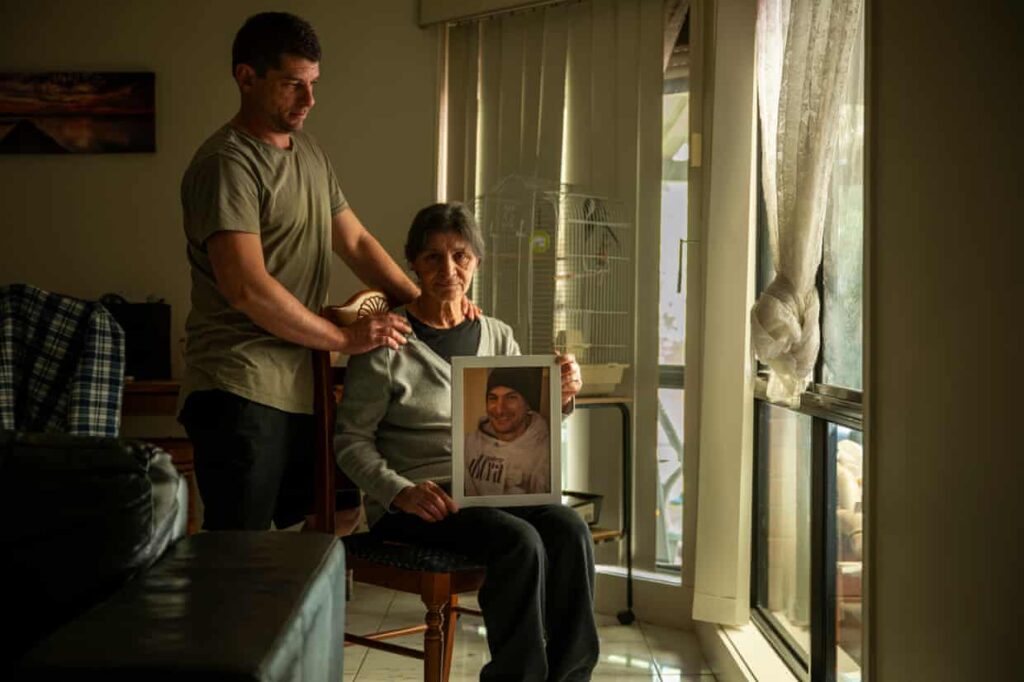
Mary Culleton, whose son, Darren Culleton, died in custody in 2021, expressed her frustration with the drawn-out process. “Of course I want it to end,” she stated, referring to her experience at a medical panel hearing. Darren, aged 30, died from self-harm while in a police van. A coroner’s report in 2023 classified his death as “a preventable tragedy” that profoundly affected his family and those responsible for his care.
Coroner David Ryan noted that the inquest was distressing for both the family and the witnesses. He highlighted that “a number of risks crystallised” during Darren’s detention, leading to his tragic death due to a combination of communication issues, lack of training, and inadequate policies.
The burden of navigating this complex system weighs heavily on families. Gary Culleton, Darren’s twin brother, described the emotional toll of the process. He noted that ongoing delays in the civil case and medical panel hearings forced him to repeatedly revisit painful memories. “Bringing up things after such a long delay, you forget a lot of major key points,” he explained. “I’ve already dealt with the drama… but then have to just relive it all again.”
The situation is similar for other families grappling with loss. Aunty Donnas Kerr, mother of Joshua Kerr, who died of methamphetamine toxicity in Port Phillip Prison in 2022, is one of the many affected. Her family, including Joshua’s children, has also been referred to the medical panel. In Josh’s case, the inquest findings revealed that he had pleaded for help before being denied immediate medical assistance, leading to his preventable death.
Lawyer Jeremy King, representing both the Culleton and Kerr families, criticized the indiscriminate nature of referrals to the medical panel. He described it as a tactic to minimize compensation payouts, particularly impacting vulnerable individuals, including children and Indigenous Australians.
The medical panels have not clarified how many referrals they currently handle or the reasons behind the increasing delays. In an email, Assoc Prof Peter Gibbons, the convener of medical panels, acknowledged a surge in referrals over the past 12 to 18 months, which has resulted in substantial demand for hearings.
A spokesperson for the Victorian government stated, “We understand the importance of providing hearings in a timely manner and the impact of delays on injured Victorians.” They noted efforts to decrease processing times through enhanced recruitment and increased resources for medical panels.
As families like the Culletons and the Kerrs continue to endure the emotional strain of this protracted legal journey, the call for reform and timely justice remains urgent. The ongoing delays not only prolong their grief but also highlight systemic issues within the compensation framework that must be addressed to prevent further suffering.
For those in crisis, support is available through Lifeline at 13 11 14 and the Indigenous crisis hotline at 13 YARN, 13 92 76.