




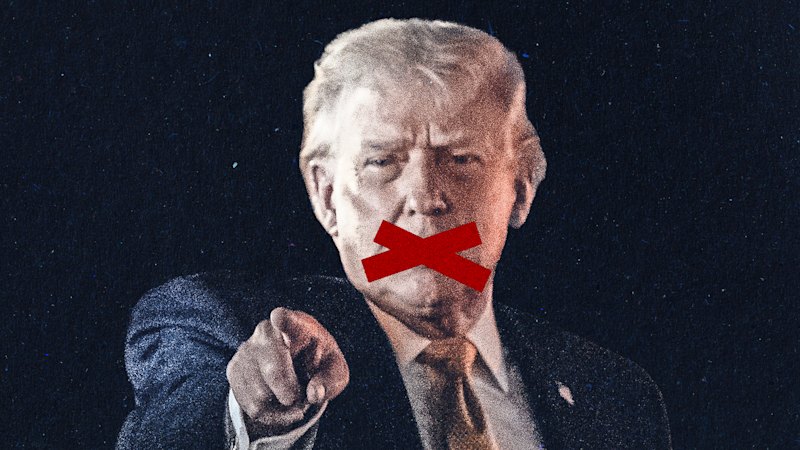
UPDATE: In a groundbreaking decision, the US Supreme Court has stripped former President Donald Trump of his key tariff authority, significantly impacting his economic leverage just days ago. This ruling limits his ability to impose tariffs under the International Emergency Economic Powers Act (IEEPA), a tool he previously wielded to extract concessions from countries worldwide.
The Supreme Court’s ruling, confirmed on February 23, 2026, has far-reaching implications, potentially affecting up to $175 billion that was raised through tariffs, which may now need to be refunded to importers. This loss represents not just a financial hit but a drastic reduction in Trump’s geopolitical power, as nations no longer face the same level of pressure from his administration.
Previously, Trump utilized the IEEPA to enforce tariffs that generated an estimated $3 trillion over a decade, a significant portion intended to fund tax cuts and aid for farmers affected by his trade policies. However, following the court’s decision, the Trump administration quickly pivoted to a “Plan B,” implementing a 10% tariff on imports, which was raised to 15% under Section 122 of the Trade Act of 1974.
Despite this immediate response, the use of Section 122 raises concerns about legality, given its historical context and the current economic landscape. With Congress becoming increasingly skeptical of tariffs, extending these new tariffs may prove difficult, requiring detailed justification for each.
Countries that previously complied with Trump’s demands, often under the threat of punitive tariffs, must now be treated equally, significantly diminishing the administration’s leverage to negotiate investment commitments. The fallout from the Supreme Court decision has already prompted over 1,500 importers to file lawsuits seeking refunds for the IEEPA tariff duties they paid, potentially leading to a prolonged legal battle.
As Treasury Secretary Scott Bessent warned, the administration could be embroiled in court disputes for years, complicating the fiscal landscape as the government faces an expected $1.9 trillion budget deficit this year. The prospect of refunding $175 billion in tariff revenue could further exacerbate the already significant national debt.
Analysts predict that if these tariffs are refunded, it could cost the government an estimated $1.2 trillion in revenue through 2035, while also impacting inflation and household costs. The Yale Budget Lab estimates that the average household could see their costs halved compared to the impact of the IEEPA tariffs.
While Trump retains some revenue from sector-specific tariffs on products like steel and aluminum, nearly 75% of his original tariff revenue has been wiped out. The implications of this ruling extend beyond economics; they cast a shadow over the Republican Party’s prospects heading into the mid-term elections, as public sentiment regarding trade policies continues to evolve.
As this situation develops, the administration’s next moves will be critical. Will they succeed in navigating the legal challenges ahead, or will they be forced to rethink their entire approach to trade and tariffs? The political landscape is shifting, and the stakes are higher than ever as the repercussions of this ruling unfold.
Stay tuned for updates as the story develops and impacts the global economic landscape.
