




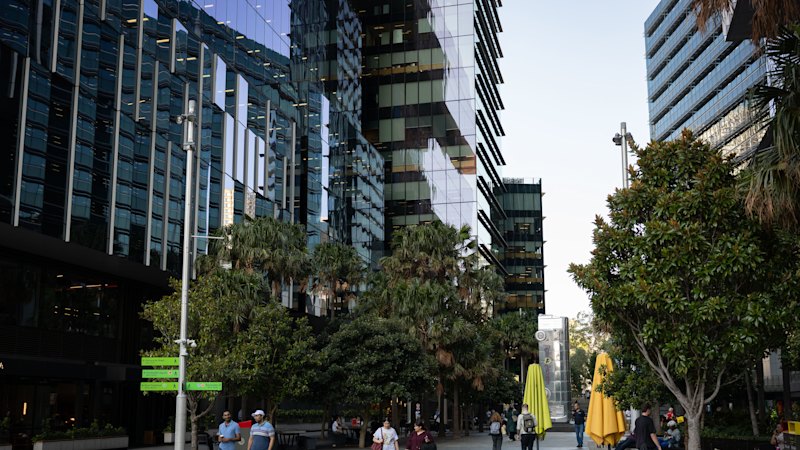
UPDATE: A fierce debate is erupting in Parramatta as city planners clash with developers over the future use of valuable CBD space. The City of Parramatta council has just announced its urgent focus on increasing office space, emphasizing a critical need to create 150,000 new jobs by 2050.
As the city’s skyline rapidly transforms, the council warns that the ongoing housing affordability crisis is pressuring them to convert essential employment lands into residential use. “The last thing you need is to just have houses within the Parramatta CBD and then having to trek to the city or to other areas to find a job,” stated Parramatta Lord Mayor Martin Zaiter. He emphasizes that any rise in housing density must be matched with an increase in job opportunities to avoid long-term economic stagnation.
Recent data from the Property Council of Australia reveals a troubling increase in office vacancy rates, now at 22.1 percent, marking a rise from 20 percent just six months ago. This alarming statistic places Parramatta among the top five cities in Australia for office space vacancies. The current limited availability of office space further complicates matters, as large tenants struggle to find suitable accommodations across multiple levels.
In response to these challenges, developers are pivoting to a more sustainable economic model: build-to-rent. This approach focuses on generating long-term rental income rather than immediate sales, which is crucial amid high vacancy rates. According to Ross Grove, the western Sydney regional director for the Property Council of Australia, “Given that there are high vacancies across the A and B grades [office] stocks, build-to-rent is a good way to ensure that the city doesn’t become economically mothballed for the next 30 years.”
A prime example of this shift is the newly opened HOME Parramatta tower, a 47-storey build-to-rent development that launched in January 2026. Christian Grahame, head of HOME, reports that demand for residential properties is surprisingly robust, with approximately 10 percent of the units leased within weeks, largely to local residents attracted to the area.
The council’s strategy to preserve existing employment lands through strict planning controls is imperative as Parramatta navigates this complex landscape. Residents are left to wonder: will the city become a thriving hub of job opportunities, or succumb to the pressures of residential development?
As discussions intensify, community stakeholders are urged to weigh in on the future of Parramatta’s skyline, with the next council meeting set to address these pressing issues. Stay tuned for developments as this critical situation unfolds.
