




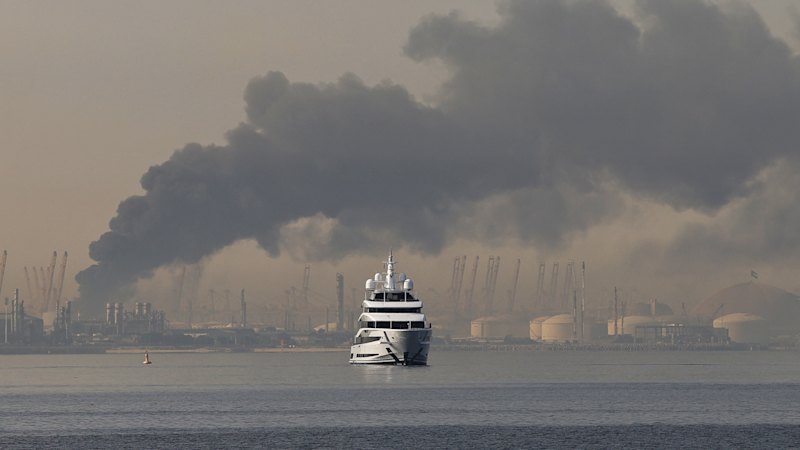
UPDATE: OPEC+ has just announced a significant increase in oil production, adding 206,000 barrels per day starting in April, as tensions escalate from the ongoing conflict involving Iran. This decision comes in light of recent US-Israeli strikes that have raised fears of a surge in crude prices, which recently hit a seven-month high of $73 per barrel in London.
The monthly video conference held on Sunday saw key players, including Saudi Arabia and Russia, agreeing to this accelerated output increase, marking a shift after a pause in production hikes earlier this year. The latest increment is notably larger than the previous 137,000-barrel increases initiated in December, reflecting the urgency of the current geopolitical climate.
As the conflict in the Middle East threatens to disrupt global oil flows, experts warn that merely announcing a production increase may not stabilize the market. Jorge Leon, head of geopolitical analysis at Rystad Energy, stated,
“This move is unlikely to calm markets — it’s a signal, not a solution.”
The potential for export constraints through the critical Strait of Hormuz looms large, with traffic already affected as tensions rise.
Despite the increase, the actual spare capacity among OPEC+ countries remains limited, primarily concentrated in Saudi Arabia and the UAE, which together hold about 2.5 million barrels per day—a mere 3 percent of global supplies, according to the International Energy Agency. Helima Croft of RBC Capital Markets adds,
“Spare capacity is really only sitting in Saudi Arabia at this stage.”
OPEC+ had previously restored production in stages, aiming to recover over 1 million barrels per day that were halted. The next meeting is scheduled for April 5, where further adjustments will be evaluated based on the evolving situation in Hormuz and global demand dynamics.
The backdrop of this decision reflects a complex interplay of geopolitical pressures and market realities. While OPEC+ producers initially paused increases due to seasonal consumption declines, the urgency of the conflict has now prompted a reevaluation. Analysts had anticipated a looming oil glut due to rising production from the Americas, yet current disruptions, including sanctions affecting Russian and Iranian cargoes, have reshaped the landscape.
As the situation develops, the implications extend beyond market prices, touching on consumer costs and global economic stability. The announcement of increased production may signal OPEC+’s intent to reclaim market share lost to US shale drillers, particularly in light of pressures to lower fuel costs for American consumers.
The global oil market remains on edge, with analysts closely monitoring the unfolding events in the Middle East. With OPEC+ set to convene again on April 5, all eyes will be on how geopolitical tensions and production capabilities influence future strategies.
Stay tuned for more updates as this situation develops.
