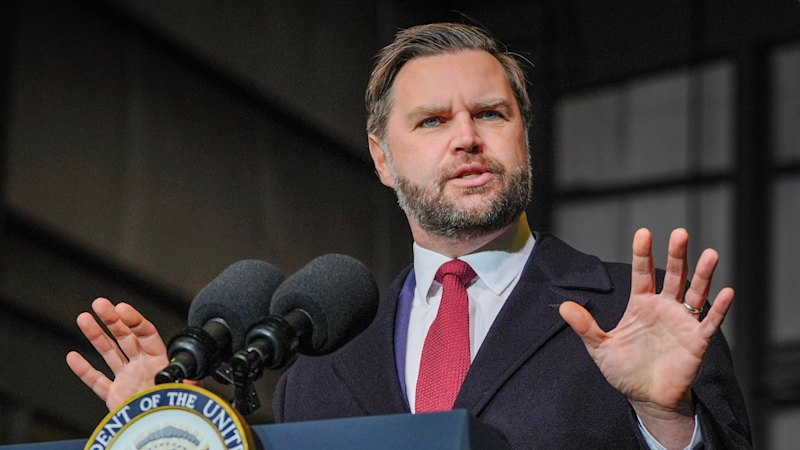
The recent airstrikes on Iran, termed Operation Epic Fury, have prompted notable silence from Vice President JD Vance, raising eyebrows within political circles. Following the strikes, which resulted in the death of Iran’s supreme leader, Vance’s lack of public commentary contrasts sharply with the customary praise from Donald Trump’s administration for his military actions.
In the 48 hours following the operation, Vance’s only notable social media activity was a repost of a White House photograph depicting him in the Situation Room with other officials, including Treasury Secretary Scott Bessent and Energy Secretary Chris Wright. On his personal account, he also shared a video update from Trump, but did not offer any direct remarks on the military action itself.
This reticence comes as a surprise, particularly considering Vance’s usual engagement on social media. During significant events, administration officials typically take to various platforms to express their support for Trump’s decisions. Despite the heightened tensions surrounding the strikes, there has been a noticeable absence of comments from Vance, contrasting with the reactions of other cabinet members. For instance, Attorney-General Pam Bondi lauded Trump for “taking bold, decisive action,” while Secretary Wright described Iran as a longstanding threat to peace.
Vance’s silence is particularly striking given the context of the operation. Trump has avoided traditional press interactions, opting instead for video updates, further contributing to the unusual atmosphere surrounding the administration’s response. The absence of cabinet secretaries on political talk shows following the strikes has also drawn attention, with vocal support for military action coming primarily from congressional figures like Senators Ted Cruz and Lindsey Graham.
Reports from The New York Times indicate that Vance did not express outright opposition to the strikes during a February 18, 2026 meeting but raised significant questions about the risks involved. Sources within the administration suggest that he has historically held reservations about foreign military entanglements, a stance that may be influencing his current reticence.
His previous comments following the June 2025 strikes on Iranian nuclear facilities demonstrate a nuanced position. After those strikes, Vance articulated a clear distinction: “We’re not at war with Iran, we’re at war with Iran’s nuclear program.” This indicates a strategic engagement with military actions that may not align with broader military goals.
The political landscape surrounding the Iran strikes has also seen dissent from notable figures within the Trump-supporting community. Tucker Carlson, a prominent isolationist voice, condemned the attack as “absolutely disgusting and evil,” while Megyn Kelly highlighted contradictions in the administration’s narrative regarding the effectiveness of previous strikes.
Vance’s silence raises questions about his future political ambitions, particularly with the 2028 presidential race on the horizon. As a potential candidate, he must navigate the delicate balance of maintaining support from the MAGA base while also addressing complex foreign policy issues. Observers speculate that he may be waiting to assess the fallout from the strikes, including potential Iranian retaliation, before issuing a definitive statement.
As the situation evolves, Vance will likely need to articulate his position on the Iran campaign. His unique role within the administration and the broader political landscape will demand careful consideration of public sentiment, especially as the ramifications of the operation unfold in the coming weeks.