




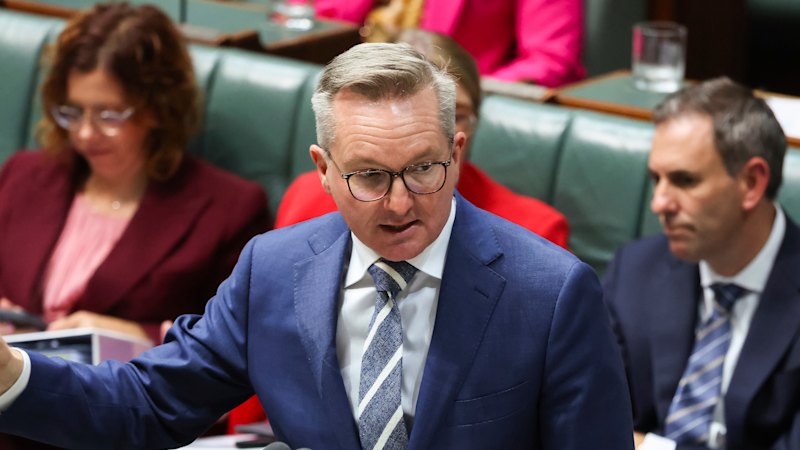
UPDATE: An urgent summit has been called by Energy Minister Chris Bowen as Australia faces rising fuel prices and panic buying in regional areas. Just announced, Bowen convened a taskforce meeting for Tuesday afternoon to address critical fuel supply concerns amid fears of shortages linked to escalating tensions in the Middle East.
As the situation worsens, farmers and the Coalition are demanding immediate action from the Albanese government to ensure essential industries do not run dry. Reports indicate widespread panic buying, particularly among farmers preparing for the winter planting season, as they fear soaring costs and limited availability of fuel and fertiliser.
“There is absolutely no need for panic buying or panic anything,” Bowen reassured the public during an interview with ABC radio. He emphasized that Australia’s fuel stocks remain stable, with no disruptions to incoming shipments. “Not one single shipload of diesel, petrol or jet fuel to Australia has been interrupted,” he stated.
The summit will include representatives from farming organizations, fuel suppliers, and key ministers such as Industry Minister Tim Ayres and Agriculture Minister Julie Collins. They will confront alarming reports that fuel wholesalers are hoarding supplies, exacerbating the crisis as farmers rush to secure fuel ahead of potential price spikes.
Fuel prices have already surged, with regular unleaded reaching around $219.9 per litre at various service stations in Sydney and Melbourne. Farmers are particularly anxious as they prepare to plant crucial winter crops like wheat and barley, with planting season starting in April.
“The next couple of weeks are a critical window for farmers to start growing next year’s bread, pasta and Weet Bix,” warned NSW Farmers grains committee chairman Justin Everitt. He urged the government to act swiftly to ensure robust supply chains are in place.
The urgency is heightened by ongoing geopolitical tensions, particularly around the Strait of Hormuz, a key passage for oil tankers that typically transports a quarter of the world’s oil supply. The region has been destabilized as Iran retaliates against neighboring nations, raising fears of prolonged supply disruptions.
Despite the crisis, some independent fuel suppliers are struggling to fill orders, leading to empty service stations and delays in diesel deliveries. The Victorian Farmers Federation has voiced concerns over the implications of fuel and fertiliser shortages on agricultural production, emphasizing the critical need for government intervention.
In response to the mounting crisis, Opposition Energy Minister Dan Tehan criticized Bowen for not utilizing federal powers to improve transparency in supply chains. “What is he doing to make sure it’s distributed evenly across the country?” Tehan questioned, urging for immediate government action to prevent shortages.
Minister Collins stated that the government is closely monitoring the situation for potential price gouging and is committed to collaborating with farmers to safeguard agricultural exports and imports.
As the G7 nations and the International Energy Agency held discussions overnight, they opted against releasing strategic oil reserves but signaled readiness to do so if necessary. The global benchmark for oil prices has seen fluctuations, peaking at $116 per barrel before stabilizing below $90.
As the situation unfolds, Australians are encouraged to remain calm while officials work diligently to ensure a steady supply of fuel and protect the nation’s food security. The upcoming summit is expected to provide crucial updates on the government’s response to this escalating crisis.
