

Household spending in Australia saw a significant increase in November, rising by one per cent compared to the previous month. According to the Australian Bureau of Statistics, this figure represents a robust 6.3 per cent increase year-on-year, marking the highest annual growth rate since September 2023. The rise in consumer spending offers a promising outlook for the nation’s economic recovery, suggesting that the Reserve Bank of Australia may not need to implement further monetary stimulus.
The data reflects a broad-based growth in spending across various sectors. With eight out of nine categories reporting increases, the figures indicate a strong consumer demand, which could complicate the inflation landscape for policymakers. Jessie Cameron, a senior associate economist at NAB, noted that while seasonal shifts in end-of-year sales might cloud the reliability of the data, the ongoing momentum in consumer demand is likely to make the Reserve Bank uneasy about inflationary pressures.
Consumer resilience emerged as a key theme in the latest economic analysis. Marc Jocum, a senior investment strategist at Global X, remarked on the unexpected strength in consumer behaviour, which not only supports immediate demand but also introduces complexities to the inflation outlook. The growth in spending exceeded forecasts, with analysts predicting a more modest increase of 0.6 per cent for the month.
Event-Driven Spending Boosts Consumer Confidence
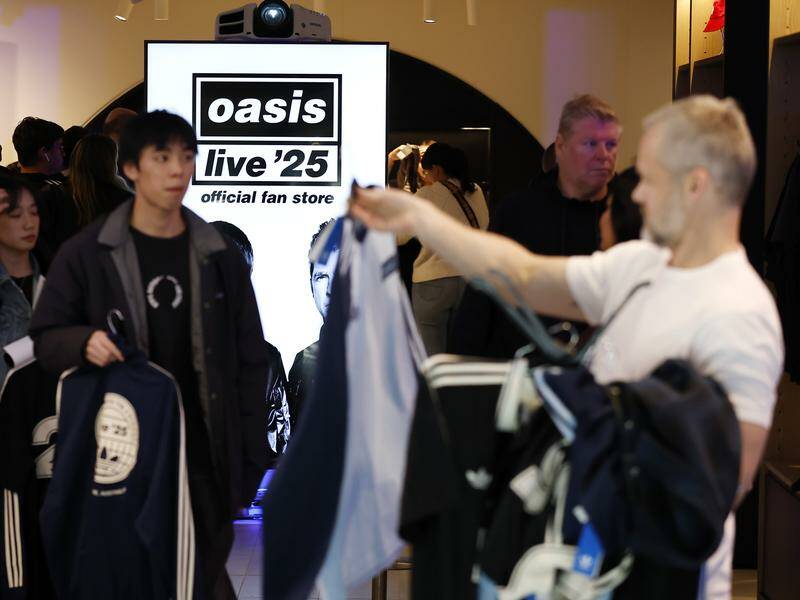
Major events such as concerts and sporting fixtures played a crucial role in driving the increase in spending. Tom Lay, head of business statistics at the Australian Bureau of Statistics, highlighted that services spending rose by 1.2 per cent due to these events, which spurred additional expenditures on catering, transport, and recreational activities. Notably, iconic Britpop band Oasis attracted record crowds during their sold-out stadium shows in Melbourne and Sydney.
The retail landscape also benefited from the recent Black Friday sales, which contributed to a 0.9 per cent increase in goods spending. Categories such as clothing, footwear, furnishings, and electronics saw substantial gains as consumers capitalized on widespread discounts. The largest increase, at 2.2 per cent, was recorded in furnishings and household equipment, with clothing and footwear rising by 2 per cent and recreation and culture climbing by 1.7 per cent.
Every state and territory in Australia reported growth, with Tasmania achieving the highest increase at 2.1 per cent. Discretionary spending outpaced essential spending, with a reported rise of 1.2 per cent compared to a 0.7 per cent increase in essentials.
Challenges Ahead for Different Consumer Groups
Despite the overall positive outlook, challenges remain for certain demographic groups. Harry Murphy Cruise, head of economic research and global trade for Oxford Economics Australia, pointed out that while homeowners may experience steady spending growth, mortgage holders and renters are likely to face tighter budgets and reduced confidence. This disparity could lead to modest, yet consistent, growth in aggregate spending throughout the year.
As the Australian economy continues to recover, the implications of this spending surge will be closely monitored. The resilience shown by consumers in the face of economic pressures may have lasting effects on inflation and monetary policy in the months ahead, shaping the financial landscape for both households and businesses.