




The ongoing conflict in the Middle East has significantly impacted financial markets, leading to losses for millions of Australian superannuation accounts. As of March 10, 2026, the ramifications of this turmoil are evident, with many investors experiencing declines in their retirement savings.
Financial experts are closely monitoring the situation, as the violence in the region has caused widespread panic in global markets. The conflict’s escalation has contributed to volatility in oil prices and other commodities, which in turn has affected the performance of many investment portfolios.
Market Reactions and Investor Sentiment
The Australian Securities Exchange (ASX) has seen fluctuations, with major indices reflecting investor uncertainty. According to data from the Australian Bureau of Statistics, approximately 15 million Australians have superannuation accounts, many of which are linked to stock market performance. The current situation poses a significant risk to the retirement savings of these individuals.
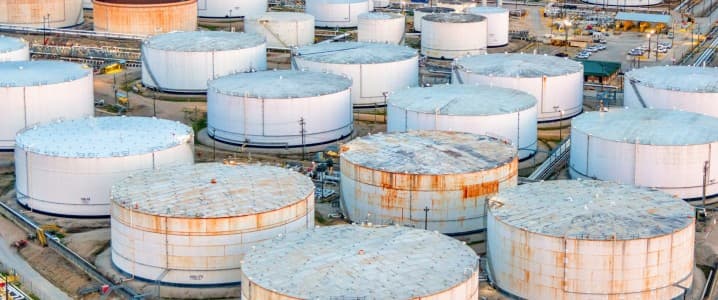
Investment analysts indicate that sectors heavily reliant on international trade and energy are most susceptible to these changes. Rising oil prices, which reached over $100 per barrel, have further strained consumer confidence and spending power. As investors react to the news from the Middle East, they are adjusting their strategies, often resulting in sell-offs that exacerbate market instability.
Long-Term Implications for Superannuation
The impact of the conflict is not only immediate but could also have lasting effects on the superannuation landscape in Australia. With many funds invested in international markets, the ripple effects of geopolitical strife are likely to continue. Experts warn that unless the situation stabilizes, these losses could influence retirement planning for years to come.
Government officials and financial advisors are urging Australians to review their superannuation strategies amidst the uncertainty. Diversifying investments and focusing on more stable assets may help mitigate losses during such turbulent times.
As the conflict continues, the Australian financial community remains vigilant, understanding that the outcomes in the Middle East could shape economic conditions back home. The broader implications for the global economy underscore the interconnectedness of financial markets and the importance of a cautious approach to investment during crises.