


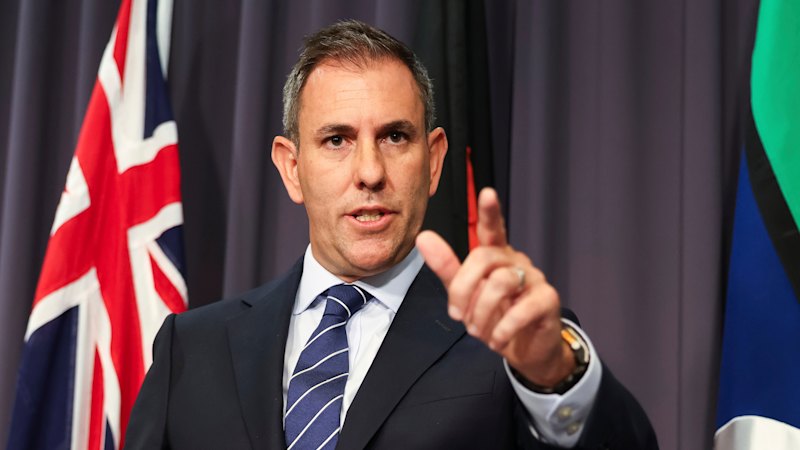
Australian Treasurer Jim Chalmers is set to meet with key economic policymakers in the United States to discuss a new national stockpile of critical minerals. This initiative aims to bolster Australia’s supply chain for essential resources required for manufacturing batteries, military equipment, and advanced semiconductors. The Albanese government is prioritizing antimony, gallium, and rare earth elements as the initial focus for the planned $1.2 billion reserve, created to counter China’s significant influence in this crucial sector.
Strategic Meetings and International Collaboration
The announcement will be made on Monday, following a previous agreement between Prime Minister Anthony Albanese and US President Donald Trump in October. This agreement aimed to establish a secure supply chain for critical minerals and rare earths during their meeting at the White House. Chalmers’ discussions in Washington, D.C., will take place amidst the G7 finance ministers’ meetings, where representatives from India, Mexico, and South Korea are also expected to participate.
During his visit, Chalmers plans to meet with several prominent figures, including US Treasury Secretary Scott Bessent, British Chancellor Rachel Reeves, Japanese Finance Minister Satsuki Katayama, and Canadian Finance Minister François-Philippe Champagne. “Ensuring we have a reliable reserve of these critical resources will strengthen supply chains and help to stabilise critical minerals markets,” Chalmers stated.
Importance of Critical Minerals for Australia
The Australian government views critical minerals as vital for both economic and national security. Resources Minister Madeleine King emphasized that the strategic reserve’s initial focus on antimony, gallium, and rare earths will provide greater certainty for Australian projects, attract additional investment, and help the sector navigate potential market disruptions. Antimony is crucial for making batteries and night-vision equipment, while gallium is essential for advanced semiconductors used in telecommunications and radar systems.
According to the International Energy Agency, China currently dominates the supply chain for critical minerals, refining between 47% and 87% of various essential materials, including lithium, cobalt, and rare earths. Australia’s ambassador to the United States, Kevin Rudd, has frequently highlighted the country’s abundant resources, claiming it offers access to the entire “periodic table” of critical minerals.
The government previously announced plans in April to create stockpiles of key minerals and enter into offtake agreements with commercial projects to secure specified volumes. This initiative comes in light of heightened tensions in international trade, particularly between the US and China. In response to a trade war, Beijing imposed strict export controls on several rare earths last year, which are critical for defence and high-tech manufacturing.
A truce was reached in November, resulting in Trump agreeing to halve tariffs on Chinese imports while Chinese President Xi Jinping paused export restrictions on rare earths for one year. The ongoing developments surrounding critical minerals highlight their growing importance in global trade and national security strategies.
The discussions led by Chalmers this week are expected to influence both domestic and international policies related to critical minerals, shaping the future landscape of resource management in Australia and beyond.