Electricity bills in Australia are projected to rise by as much as 24 percent this year, following the cessation of government energy subsidies. This significant increase will push electricity costs above levels recorded before the subsidies were introduced, according to forecasts from the Australian Bureau of Statistics and economists at Westpac.
In 2023, state and federal governments initiated rebates on electricity bills to alleviate the financial burden on households amid escalating cost-of-living pressures. This action came after annual headline inflation peaked at 7.8 percent in December 2022. The federal government, under the Labor Party, extended these rebates for six months ahead of the federal election in May. However, these subsidies are set to expire at the end of December 2023, with Treasurer Jim Chalmers confirming there would be no further extensions.
Many economists have welcomed the decision, arguing that the subsidies distanced consumers from the true costs of energy production and that resources could be better allocated toward sustainable energy solutions. Nevertheless, households will experience immediate financial strain. For a typical three-person household, this translates to an additional cost of approximately $500 in 2024.
Renewable Energy Investment and Market Dynamics
The Organisation for Economic Co-operation and Development (OECD) highlighted the urgency for Australia to increase its investments in renewable energy to replace aging coal-fired generators. The current trajectory of energy prices reflects rising costs associated with gas and coal, driven significantly by geopolitical events such as Russia’s invasion of Ukraine. Alison Reeve, an energy and climate expert at the Grattan Institute, stated, “The price is not going to go back down to what it was before the pandemic. That world is gone.”
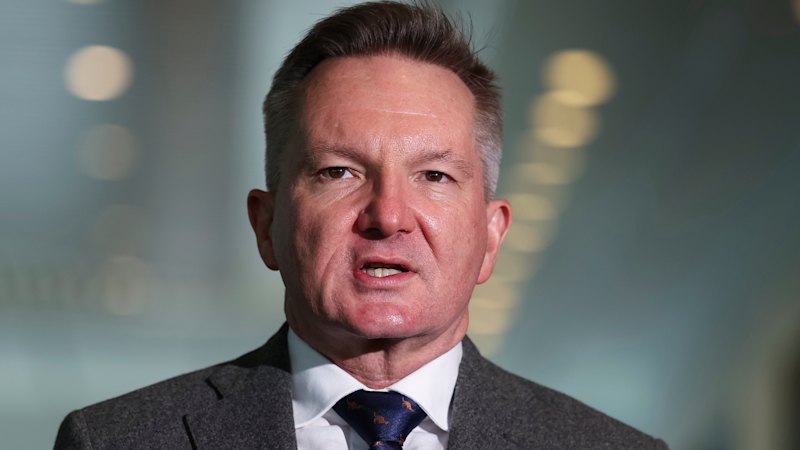
As inflation rates climb above the target range set by the Reserve Bank of Australia, households face another year of financial pressure. Energy Minister Chris Bowen announced an initiative called “Solar Sharer,” which aims to provide households with free electricity generated from rooftop solar during peak production hours. This opt-in program will be available to customers on the default market offer in New South Wales, South Australia, and Queensland. However, energy retailers are requesting additional time to finalize their plans, citing concerns that the initiative is being rushed.
Westpac economist Justin Smirk pointed out that lower-income households will be disproportionately affected by the impending rise in electricity bills, as energy costs represent a larger fraction of their overall budget. Reeve noted that it is common for electricity prices to outpace general inflation, a trend that consumers should anticipate this year.
Implications for Inflation and Economic Policy
The expiration of the electricity rebates will draw scrutiny from the Reserve Bank of Australia as it navigates strategies to rein in inflation, which was recorded at 3.4 percent in November. The rebates were intended to mitigate inflation artificially by subsidizing utility costs. With their removal, there is an expectation that the overall inflation rate may increase.
According to Smirk, the subsidies merely delayed the impact of price rises that would have been evident in the 2024-2025 period. He suggested that the Reserve Bank would likely consider the implications of rising energy costs when deliberating potential interest rate adjustments.
The Australian Bureau of Statistics is set to release inflation data for the December quarter on January 28, 2024. While the impact of the subsidy expiry may not be reflected in that data, it is anticipated to influence figures in the following quarter. As the nation grapples with rising energy prices, the focus will shift to how effectively households can adapt to this new economic reality.