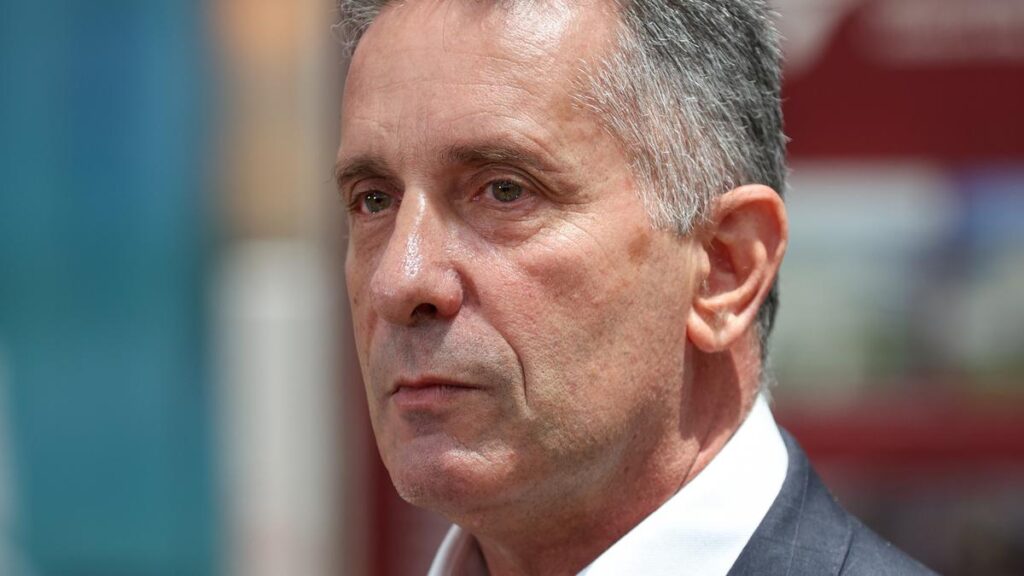
Gaming Minister Paul Papalia pictured at Crown Perth on Tuesday. Crown Perth celebrates 40 years.
Motorists in Western Australia face potential fuel cost increases of up to $2,000 annually if the ongoing conflict in the Middle East escalates. As crude oil prices surged to nearly $91 per barrel over the weekend, concerns are mounting that motorists might soon pay significantly more at the pump. The latest analysis from the Chamber of Commerce and Industry WA (CCIWA) indicates that rising oil prices could add further strain to household budgets already affected by the cost-of-living crisis.
Crude oil prices have risen by more than $23 per barrel since the conflict began just over a week ago. According to CCIWA’s chief economist, Daniel Kiely, this increase translates to approximately $5 more to fill an average 50-litre tank. Given that many families own two cars, this could mean an additional $520 in fuel expenses annually. If prices rise further, the financial burden could escalate dramatically.
Warnings from Qatar suggest that all oil and gas exporters in the Gulf may halt production within days, increasing the likelihood of further price spikes. Kiely cautioned that if crude oil prices increase by an additional $40 per barrel, the average cost to fill a 50-litre tank would rise by $20, resulting in an annual increase of $2,080 for families.
Currently, the average price of unleaded petrol (ULP) in the Perth metropolitan area stands at $1.88 per litre, with predictions that it could reach $1.90 per litre soon. In other regions, such as Bunbury and Kalgoorlie, price hikes of 2¢ to 3¢ per litre are expected. Kiely noted that the average price for March is projected to increase to 193.9¢ per litre, with potential jumps to 223.9¢ per litre if crude prices continue to rise.
Concerns are also growing about fuel retailers potentially exploiting the situation by imposing excessive price increases. Reports from Eastern states indicate that petrol stations have already begun raising prices, while some locations in Perth have witnessed prices soar to as high as $2.50 per litre.
Federal Treasurer Jim Chalmers has emphasized that service stations should not take advantage of consumers during this crisis. The Australian Competition and Consumer Commission has been instructed to monitor and address any instances of price gouging.
In a similar vein, senior Labor minister Paul Papalia highlighted the government’s commitment to ensuring fair pricing. “Premier Roger Cook made it very clear that it’s disgraceful behaviour if this is going on,” he stated. “They are being watched, and they should not exploit the situation at the expense of Western Australians.”
The ripple effects of the conflict could extend beyond fuel prices. Kiely warned that household necessities, including groceries, are likely to become more expensive due to increased transportation costs stemming from higher fuel prices. “Western Australia is at the end of many supply chains, meaning most of our goods are transported here by road, air, or sea,” he explained.
The agriculture sector is particularly vulnerable, with potential spikes in fertilizer costs and increased transport expenses impacting farmers. Kiely noted that these factors could further pressure household budgets, forcing many families to cut back on discretionary spending, which would have broader economic implications.
The Reserve Bank of Australia (RBA) governor Michele Bullock indicated there is a “live” chance of another interest rate hike this month, as the conflict in the Middle East poses risks to rising inflation. Meanwhile, WA Treasurer Rita Saffioti stated that the government is vigilant in monitoring the situation and is taking steps to mitigate its impact. “We will do everything we can to protect Western Australia and our economy from any impacts arising from this conflict,” she affirmed.
As the situation unfolds, Western Australians are bracing for the potential financial repercussions at the petrol pump and beyond.