The National Anti-Scam Centre has issued a warning to Australians about the heightened risk of scams during the festive season. As shopping, gifting, and travel plans ramp up, criminals are expected to exploit the busy holiday period, targeting individuals with various scams, including shopping, delivery, and travel-related fraud.
The centre anticipates a surge in activities designed to deceive consumers, particularly through fake retail websites and fraudulent sellers on social media and online marketplaces. Scammers are likely to send emails or texts claiming missed deliveries or unpaid fees, directing recipients to counterfeit websites aimed at harvesting credit card information.
Catriona Lowe, Deputy Chair of the Australian Competition and Consumer Commission (ACCC), emphasized the importance of vigilance. “Scammers know that people are busy, distracted, and spending more money at this time of year. They use messages that look routine or urgent because they know people are trying to stay organised,” she said.
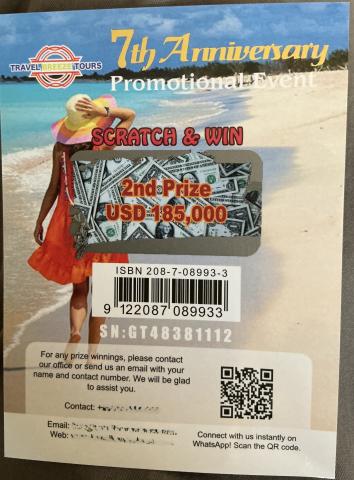
In addition to online scams, there has been a notable resurgence of ‘hard copy’ scams, particularly involving fake scratch-off cards. Reports indicate that financial losses from these scams have risen, with fraudsters exploiting rising costs of living by promoting fictitious travel giveaways and instant prizes. Victims have reported receiving these scams through registered post, often requiring payment for supposed winnings.
As many Australians prepare for interstate travel during the summer holidays, the National Anti-Scam Centre is also alerting the public to potential road toll scams. These scams typically claim that there is an overdue toll payment and prompt individuals to follow links that appear official.
The festive season also sees an increase in online gambling scams, referred to as ‘scambling’. This emerging threat involves scammers creating unlicensed gambling apps and websites that mimic legitimate platforms. While these sites allow users to deposit money, they often refuse to pay out any winnings. In some instances, individuals may unwittingly become involved in money laundering activities.
Between January and October 2025, Australians reported a staggering 21,255 online shopping scams to the National Anti-Scam Centre’s Scamwatch service. During this period, Scamwatch also recorded 5,690 parcel delivery scams, 884 toll scams, and 2,514 travel, prize, and lottery scams, which included 314 scratchie scams and 273 gambling scams. The total losses attributed to shopping scams alone reached $9.4 million, making them the most financially damaging type of fraud.
Analysis of the data reveals that vehicles, shipping containers, concert and sporting tickets, pets, and clothing were among the products that caused the most significant reported losses. Parcel delivery scams accounted for $88,440 in reported losses, while road toll scams resulted in losses of $8,392. Travel, prize, and lottery scams, including those involving scratch-off cards, saw losses of $842,677, while online gambling scams led to reported losses of $2 million.
Lowe urged the community to share information about scams and prevention strategies with friends and family. “As scammers ramp up their efforts over the holiday season, we also encourage people to report to Scamwatch. Every report, no matter how small, helps us build our intelligence to disrupt criminal networks, track scam activity, and protect the community,” she said.
The Scamwatch website provides resources to assist individuals in recognizing potential scams and supporting loved ones who may be targeted. It offers guidance on identifying red flags, conversation starters, and the manipulation tactics commonly employed by scammers.
The National Anti-Scam Centre advises the public to:
STOP: Take a moment before providing any personal information or payment. Scammers often create a sense of urgency to pressure individuals into acting quickly.
CHECK: Ensure that the person or organization you are dealing with is legitimate. Scammers frequently impersonate trusted entities, so verifying their authenticity is crucial.
PROTECT: If something feels off, act quickly. Early intervention can help safeguard oneself and others from falling victim to scams.
As the holiday season approaches, remaining vigilant and informed can help mitigate the risk of falling prey to these deceptive practices.