


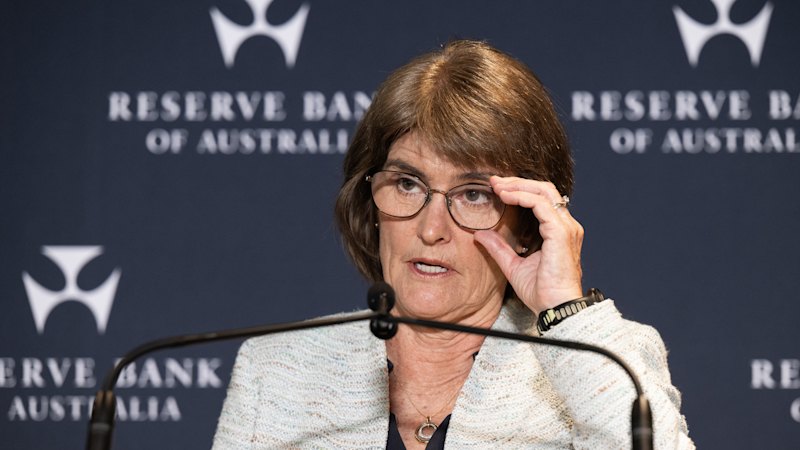
Financial markets have delivered a clear message to mortgage customers: do not anticipate further reductions in home loan interest rates. This sentiment is expected to be reinforced on December 5, 2023, when the Reserve Bank of Australia (RBA), under the leadership of Governor Michele Bullock, convenes for its final board meeting of the year. Investors largely expect the cash rate to remain unchanged, with many analysts predicting stability throughout 2024.
Given recent economic indicators, it appears that Michele Bullock is unlikely to initiate further rate cuts in the near future. The RBA’s approach is shaped by a range of factors, including prevailing inflation rates and the overall capacity of the economy.
Understanding Economic Capacity and Its Impact on Rates
As the economy approaches its capacity, there is less room for interest rate reductions. Economists often refer to an economy’s “spare capacity,” which describes the ability of firms to access necessary labor and capital to meet demand. Insufficient capacity can lead to inflation, as businesses compete for a limited pool of skilled workers. Conversely, an abundance of capacity generally results in low inflation.
During the late 2010s, a high level of excess capacity contributed to historically low interest rates. At that time, unemployment rates exceeded 5%, while the current rate stands at 4.3%. Consequently, the RBA’s mission to stimulate economic activity by lowering the cash rate is significantly more challenging now, with inflation consistently exceeding its target range of 2% to 3%.
The pandemic further complicated matters. In response to fears of a severe economic downturn, central banks globally slashed rates to near-zero levels. As economies began to recover and inflation surged, interest rates could not remain at those emergency lows. The RBA raised rates by 4 percentage points starting in 2022 before initiating a cycle of rate cuts at the beginning of 2023.
Today, many analysts believe this cycle has concluded after just three cuts of 0.25 percentage points each. Some economists even speculate that rate hikes could be on the horizon.
Global Factors Shaping Interest Rates
The recent uptick in inflation prompts the question of why the RBA has shifted from a rate-cutting mode to contemplating increases. The primary concern is the economy’s current capacity constraints. As noted by Luke Yeaman, Chief Economist at Commonwealth Bank of Australia, the economy is displaying signs of growth, with less spare capacity than seen in earlier economic cycles.
While low unemployment is beneficial, it raises the risk of reaching capacity limits, leading to inflationary pressures. Yeaman remarked that the RBA must remain vigilant about these risks, suggesting that interest rates cannot drop as low as in previous cycles.
Additionally, there is a growing recognition of the “neutral interest rate,” which is the level that neither stimulates nor hinders economic growth. For years, economists believed this rate was declining, but recent trends suggest it may now be on the rise. Factors contributing to this shift include increased public and private investment, particularly in green energy initiatives, as well as rising global public debt and decreasing savings rates among aging populations.
In a statement made in October, Christopher Kent, RBA Assistant Governor, indicated that estimates of Australia’s neutral rate had risen by approximately 1 percentage point. This shift implies that the actual cash rate set by the RBA will need to be higher to achieve similar economic effects as in the past.
In conclusion, unless prompted by a significant economic crisis, borrowers should not expect interest rates to revert to the extremely low levels seen during the late 2010s. The evolving landscape of the economy suggests a new norm for interest rates, with implications for both consumers and investors.