



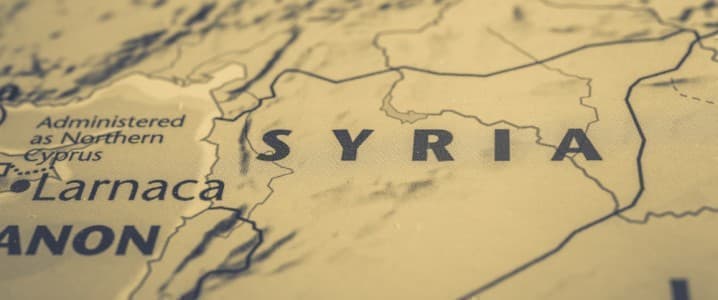
The fall of long-standing Syrian President Bashar al-Assad on December 8, 2024, marked a significant shift in the geopolitical landscape of the Middle East, particularly for Iran, Assad’s closest ally. This collapse has left Iran grappling with a strategic defeat that has severely undermined its influence in Syria, a nation it has heavily invested in for over a decade.
As the situation in Syria continues to evolve, experts suggest that Iran’s efforts to re-establish its foothold may be futile. Since the civil war began in 2011, Iran has reportedly spent between $30 billion and $50 billion to support Assad’s government, deploying thousands of fighters and military personnel to ensure the regime’s survival. With Assad’s ousting, Iran lost not only its primary ally but also its “advanced base” in the Mediterranean, according to Rami Abdulrahman, director of the UK-based Syrian Observatory for Human Rights.
Consequences of Assad’s Ouster
The implications of Assad’s departure extend beyond mere financial losses. Iran’s strategic investments in Syria were designed to bolster Tehran’s “axis of resistance,” which includes Hezbollah, its key proxy in Lebanon. The closure of Syria as a supply route to Hezbollah has greatly diminished Iran’s ability to project power in the region. Abdulrahman emphasized that with Assad gone, Iran has effectively returned to its “natural borders,” losing the leverage it once held.
In response to the changing dynamics, Iranian Supreme Leader Ayatollah Ali Khamenei has urged Syrians to resist the new authorities, suggesting an attempt to meddle in Syrian affairs. Following the violence that erupted in March 2025, some observers pointed to Iran’s involvement, noting that several militia leaders engaged in these clashes received training from Iran’s Islamic Revolutionary Guards Corps (IRGC). This incident highlighted Tehran’s ongoing efforts to exploit sectarian strife to regain its influence, although experts argue that overt military re-engagement is unlikely.
Shifting Alliances and Future Prospects
As Iran seeks to navigate this precarious situation, it is likely to rely on local militias and proxy commanders rather than deploying its own military forces. Ata Mohamed-Tabriz, a Middle East expert based in Spain, noted that while there have been no official reports confirming Iran’s activities, various media outlets have documented its attempts to re-establish loyal factions within Syria.
Additionally, there are indications that Iran may turn to Russia, which has maintained cooperative ties with the new Syrian government under interim President Ahmed al-Sharaa, to help facilitate a relationship with Damascus. Nevertheless, Abdulrahman is skeptical about Iran’s prospects for reasserting its influence, stating that there is little support for Iranian presence even among Syria’s Alawite community, which is predominantly Shi’ite, like Iran itself.
In a recent interview with Syrian state television, Sharaa acknowledged the historical wounds left by Iran’s involvement during the civil war but did not completely rule out future relations, provided that Iran respects Syrian sovereignty and avoids inflaming sectarian tensions.
The evolving foreign policy of Syria reflects these dynamics. Since distancing itself from Iran, Syria has seen numerous international sanctions lifted, encouraging foreign investment into its war-ravaged economy. Restoring ties with Tehran would require significant shifts in Iranian foreign policy, a prospect that appears unlikely under the current leadership in Tehran.
As Iran continues to reassess its position in the region, the ramifications of Assad’s fall are likely to resonate for years to come, influencing both domestic and international relations in a country already facing immense challenges.