



Transport for New South Wales (Transport for NSW) has unveiled an ambitious five-year plan to enhance connectivity across the Central West and Orana regions. The Draft Central West and Orana Strategic Regional Integrated Transport Plan aims to improve travel safety, equity, and accessibility for regional communities.
The initiative addresses various transport needs, focusing on Aboriginal transport access, regional bus services, safer highways, and revitalised main streets. A significant aspect of this plan is the commitment to enhance transport outcomes for Aboriginal communities. Transport for NSW will collaborate with Aboriginal community-controlled organisations to co-design local transport plans, ensuring solutions reflect community needs rather than external impositions.
Enhancing Accessibility and Safety
A key feature of the initiative is the introduction of an open-source regional dashboard designed to publicly share Aboriginal transport data. This tool will highlight existing gaps in access to essential services, such as health, education, and employment, particularly in fast-growing areas. Additionally, new “Signposting Country” signage will be implemented across state roads to promote Aboriginal culture and heritage, making it more visible to all road users.
For towns where state highways also serve as main streets, such as Orange, Cowra, and Narromine, the plan includes investigations into reallocating road space to enhance pedestrian safety, cycling access, and overall street amenity. In larger centres like Bathurst, Dubbo, and Orange, potential bypasses will be explored to divert heavy traffic away from town centres, reducing congestion and improving the quality of life for residents.
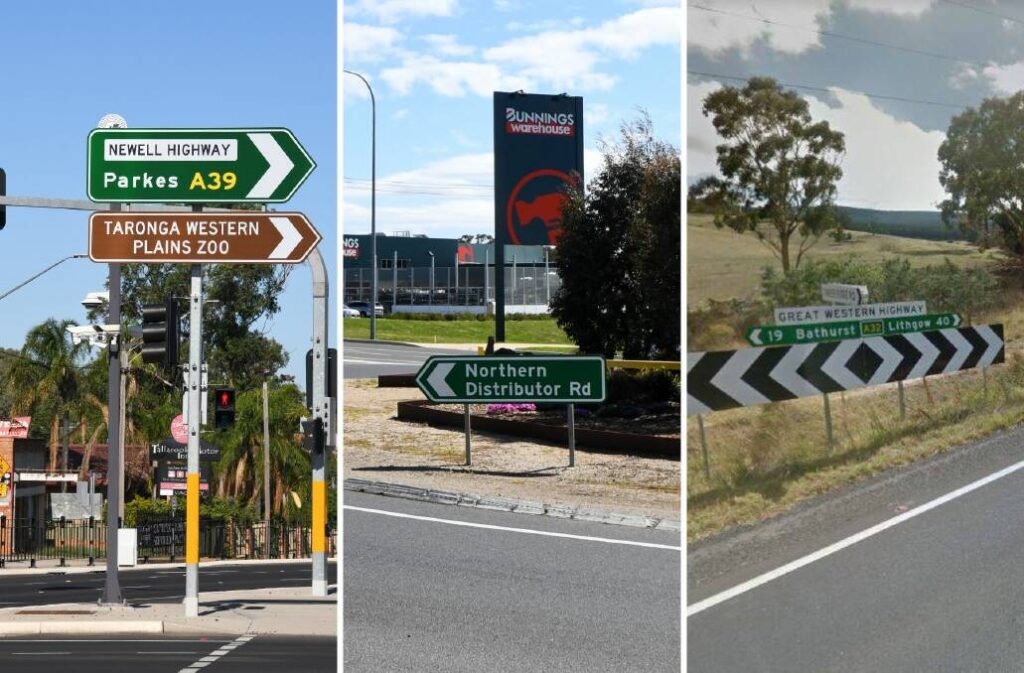
Changes to Orange’s Northern Distributor Road are also planned, with refined signage and access modifications intended to better direct freight vehicles away from the central business district (CBD).
Public transport improvements are another major priority. Transport for NSW will explore expanding local bus services across regional centres including Dubbo, Bathurst, Orange, Parkes, Forbes, Lithgow, Mudgee, and Cowra. This expansion will likely feature a mix of fixed routes and flexible services. Proposed connections include links from Millthorpe to Orange, and Kandos and Rylstone to Mudgee, as well as longer-distance services between Dubbo, Orange, and Bathurst.
Innovations in Freight and Road Safety
All bus services in the region are set to transition to contactless ticketing, modernising payment methods and enhancing convenience for passengers. Rail users may also benefit from a proposed new stabling yard at Orange, which would facilitate more frequent train services connecting Dubbo, Orange, Bathurst, Lithgow, and Sydney.
Freight movement is another critical component of the plan. Proposed enhancements will focus on strengthening heavy vehicle access along key highways, including the Newell, Mitchell, Great Western, and Golden Highways. A regional freight network plan aims to increase the volume of freight transported by rail, particularly through Inland Rail and its connections to Newcastle and Brisbane. A significant grade separation project is planned at Tichborne to eliminate the level crossing between Inland Rail and the Newell Highway, thereby improving safety and efficiency.
Road safety improvements will feature prominently in the short-term initiatives. Investments are planned for crash barriers, wider medians, audio-tactile line markings, and improved junction designs on both state and regional roads. New gateway treatments will be introduced in towns and villages to slow traffic and enhance safety at entry points. Additional measures will include better crossings, wider footpaths, and separated cycleways in population centres.
The plan also emphasizes resilience, with ongoing studies to identify critical vulnerabilities in the transport network. These efforts aim to reduce the impact of floods, bushfires, and other major disruptions. In the Lithgow and Blue Mountains areas, investigations will focus on congestion management at Victoria Pass and safety upgrades on the Bells Line of Road.
Support for shared micromobility options, such as e-scooters and e-bikes, will also be part of the strategy to decrease car dependency and improve local travel options.
While many projects require further planning and community consultation, Transport for NSW asserts that the next five years will concentrate on delivering visible and practical improvements that will make daily travel safer and easier for residents in regional areas.