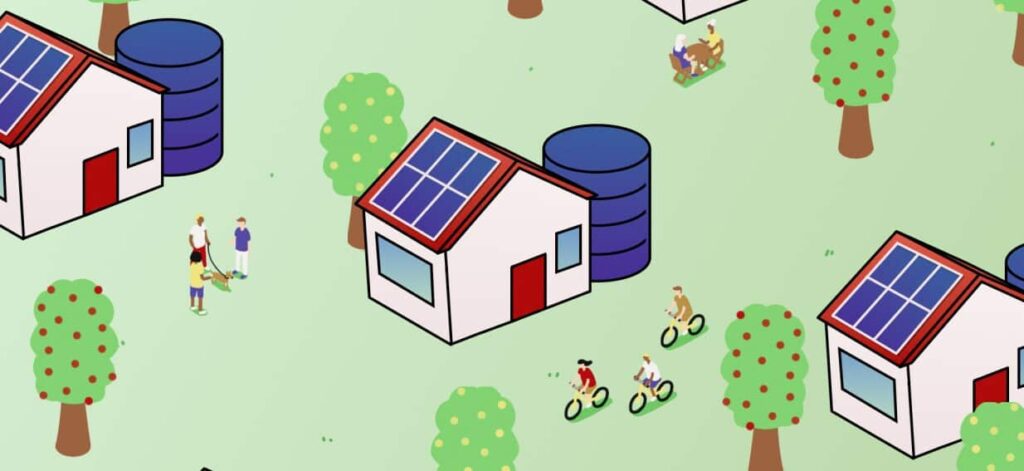
Living off the grid is increasingly becoming a viable option for those seeking to reduce their living expenses. One individual, known as Steve, claims he has not paid a power bill in over 20 years, showcasing a trend that many are now considering. The shift towards off-grid living is fueled by advancements in technology and a growing awareness of renewable energy sources.
From Communes to Tech Hubs
Historically, off-grid communities in Australia were often associated with alternative lifestyles and communal living. Today, they represent a high-tech, increasingly affordable housing option. Modern off-grid homes utilize innovations in solar power, wind energy, and other renewable sources to provide electricity and water independent of traditional utility services. This transition has attracted a diverse range of residents, from young families to retirees seeking financial stability.
The choice to live off-grid often stems from the desire to lower living costs. A report by the National Renewable Energy Laboratory indicates that the average household in Australia spends approximately $2,000 annually on electricity. By investing in renewable energy technology, many off-grid residents can eliminate these expenses entirely, leading to significant savings over time.
Financial Implications and Benefits
Transitioning to an off-grid lifestyle typically requires an initial investment in renewable energy systems. While the upfront costs can be substantial, proponents argue that the long-term savings justify the expense. For instance, the installation of solar panels can range from $10,000 to $30,000, depending on the size and technology used. However, homeowners can recoup these costs through reduced utility bills and government incentives.
Moreover, off-grid living can enhance self-sufficiency and resilience. As energy prices fluctuate, individuals who rely on renewable sources are less vulnerable to market changes. This independence appeals to many, particularly in light of recent energy crises that have affected global markets.
The shift towards off-grid living is not without challenges. Access to financing for renewable energy projects can be limited, and local regulations often complicate the installation of off-grid systems. Nonetheless, community support and growing interest in sustainability continue to drive the movement forward.
In conclusion, the allure of off-grid living is growing stronger as more individuals recognize the potential for cost savings and environmental benefits. As technology advances and societal attitudes shift, it is likely that this trend will continue to gain traction in the coming years.