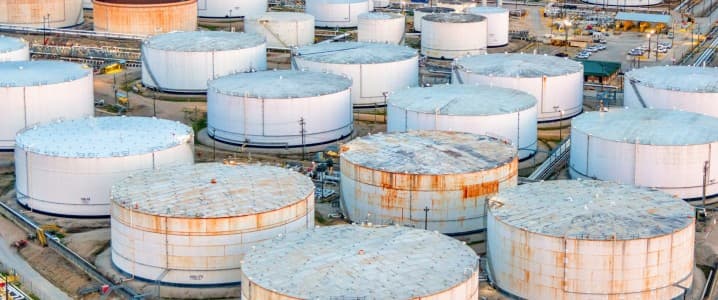





Oil prices fell yesterday as the United States and Russia engaged in discussions regarding the ongoing conflict in Ukraine. This decline saw ICE Brent crude touch its lowest level since late October, even as Ukrainian forces continued to target Russian energy infrastructure. The situation remains tense, with Russia warning it may retaliate against vessels from countries supporting Ukraine.
Moscow has described the ongoing talks as constructive; however, the complexity surrounding territorial disputes remains a significant hurdle. Despite the downward pressure on flat prices, ICE Brent timespreads have demonstrated resilience, with the prompt spread at US$0.40 per barrel in backwardation. This trend is particularly noteworthy given expectations of a looser oil balance as the fourth quarter progresses.
Recent data from the American Petroleum Institute (API) indicates a bearish outlook, revealing that US crude oil inventories increased by 2.48 million barrels. Additionally, refined product stocks also saw significant builds, with gasoline and distillate inventories rising by 3.1 million barrels and 2.88 million barrels, respectively. Such increases are anticipated to exert further downward pressure on product cracks. The more widely referenced Energy Information Administration (EIA) report is set to be released later today, which may provide additional insights into the market’s direction.
In Europe, natural gas prices are under strain, with the Title Transfer Facility (TTF) dipping to an intraday low of just over EUR27.5 per megawatt-hour, the lowest since April 2024. Milder weather conditions this season are contributing to lower prices, alongside increasing exports of liquefied natural gas (LNG) from the United States. Furthermore, European natural gas storage has declined rapidly, now sitting below 75% of the five-year average, compared to last year’s 85% level.
Global central banks have notably increased their gold purchases, adding a net 53 tonnes to reserves in October alone, marking a 36% rise from September and the highest monthly gain since November 2024, according to the World Gold Council. Year-to-date purchases total 254 tonnes, although this is a slower acquisition pace than in previous years due to rising prices. Poland has emerged as the leading buyer, acquiring 83 tonnes for the year, including 16 tonnes in October, which brought its holdings to 531 tonnes—representing 26% of its total reserves.
Brazil also matched Poland’s October purchases with an additional 16 tonnes for the second consecutive month, raising its reserves to 161 tonnes—or 6% of its total reserves. Meanwhile, China’s central bank has reported gold purchases for 12 consecutive months, adding 0.9 tonnes in October, bringing its total to 2,304 tonnes. In contrast, Russia was the only country to decrease its gold holdings, selling off 3 tonnes during the same period.
In the agricultural sector, Robusta coffee prices experienced a decline for a second straight session, dropping more than 2.5% amid a positive crop outlook in Vietnam. The Vietnam Coffee and Cocoa Association projects that coffee production could rise by 10% year-on-year to 1.9 million tonnes in the 2025/26 season, bolstered by favourable weather conditions and rising prices encouraging farmers to invest in higher yields. Nevertheless, impending rain could jeopardize the quality of the coffee beans.
Overall, the financial markets are navigating a complex landscape influenced by geopolitical developments, inventory levels, and shifting consumer demands. Investors will be closely monitoring upcoming reports and market indicators to gauge the trajectory of oil, gold, and agricultural commodities in the months ahead.