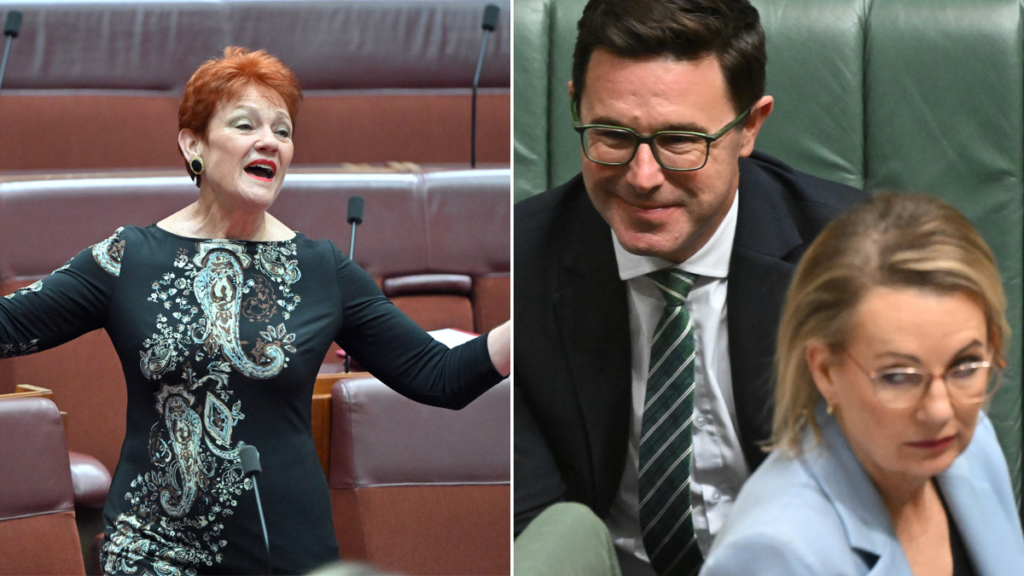
Polling data indicates a significant shift in Australian political dynamics, with support for One Nation rising sharply while the Liberal Party has reached an all-time low in public approval. The latest figures from Newspoll reveal that One Nation’s support has surged by five percentage points to 27 percent over the past three weeks. In contrast, Sussan Ley, the leader of the Liberals, is now the most unpopular leader among major parties in the last 23 years.
The poll results underscore the challenges facing the Coalition, which has been plagued by internal divisions and infighting. Ley’s net satisfaction rating has fallen to an alarming -35 percent, reflecting a decrease in voter confidence during a tumultuous period marked by a split between the Liberals and their junior Coalition partner, the Nationals. Among the more than 1,200 respondents surveyed in the last four days, only 23 percent expressed satisfaction with Ley’s leadership, down from 28 percent in the previous month.
Ley’s approval ratings represent the lowest for a major party leader since Simon Crean of the Labor Party in May 2003. This decline has ignited speculation that Angus Taylor and his supporters may leverage these dismal numbers to push for a leadership challenge within the Liberal Party in the coming week.
Shifting Political Landscape
The polling results reveal a deeper trend: One Nation’s primary vote has edged closer to that of the Labor Party, which currently sits at 33 percent, reflecting a one-point increase since the last poll. In contrast, the Coalition’s support languishes at just 18 percent. The data suggests that One Nation has seen its support grow from 6.4 percent since the federal election held in May 2022.
The findings also indicate a slight improvement in net satisfaction for Anthony Albanese, the leader of the Labor Party, which now stands at -10 percent. Among survey participants, 49 percent indicated a preference for Albanese as Prime Minister compared to 30 percent favoring Ley. These shifts highlight the potential for significant changes in the political landscape as voters express their dissatisfaction with the current leadership.
The growing momentum for One Nation, coupled with declining support for the Liberals, raises questions about the future direction of Australian politics. As the political environment evolves, the upcoming months may bring further challenges and opportunities for all parties involved.