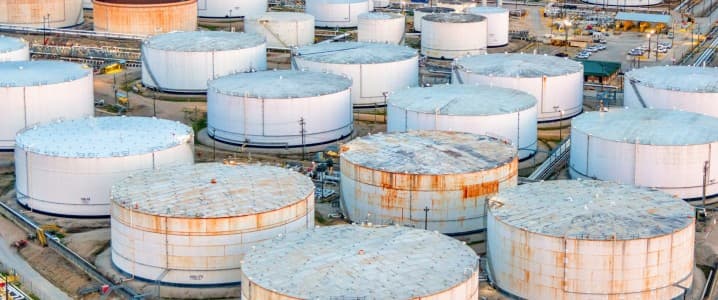



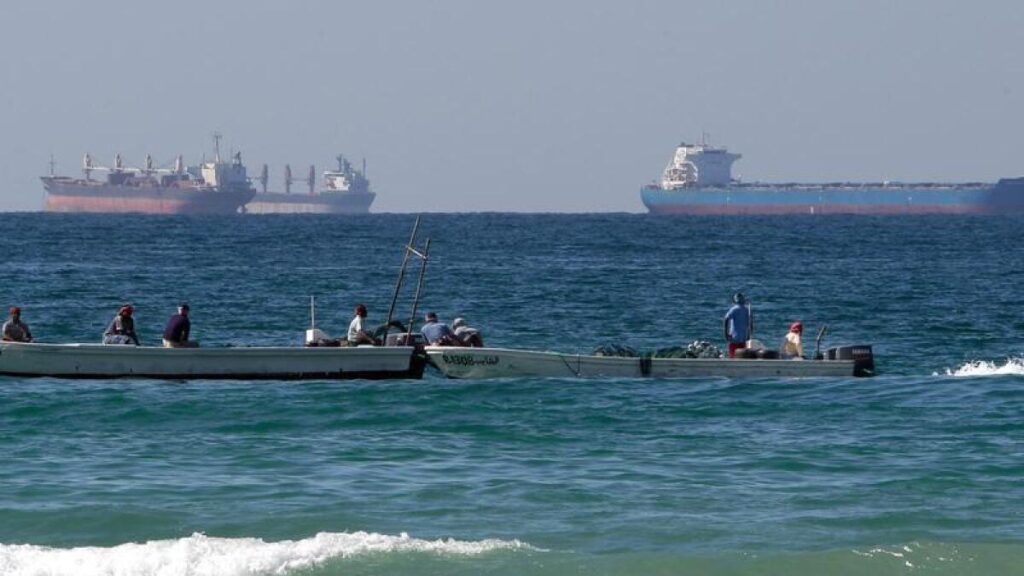
OPEC+ has decided to boost oil production in response to escalating tensions in the Middle East, particularly following recent attacks on shipping vessels in the Strait of Hormuz. This adjustment involves major producers such as Saudi Arabia, Russia, Iraq, the United Arab Emirates, Kuwait, Kazakhstan, Algeria, and Oman. The outcome of these developments could lead to higher prices for crude oil and gasoline worldwide, as disruptions in the region threaten to restrict oil exports.
The Strait of Hormuz is a critical maritime route, with approximately 15 million barrels of crude oil transported daily, accounting for around 20 percent of global oil supply. This strategic chokepoint, located at the entrance of the Persian Gulf, is crucial for the transport of oil and gas from countries including Saudi Arabia, Kuwait, Iraq, Qatar, Bahrain, the UAE, and Iran. Recent incidents, including attacks on two vessels, have raised alarms about the safety of this shipping lane.
Iran has previously taken measures that temporarily impacted shipping through the strait, as it conducted military drills in mid-February. Further disruptions in this vital channel could exacerbate supply issues, leading to increased oil prices. According to Jorge León, senior vice president and head of geopolitical analysis at Rystad Energy, “Roughly one-fifth of global oil supply passes through the Strait of Hormuz, a vital artery for world trade, meaning markets are more concerned with whether barrels can move than with spare capacity on paper.”
Should the flow of oil through the Gulf be constrained, the additional production from OPEC+ may not provide immediate relief to the market. The focus on maintaining access to export routes could overshadow even the most ambitious output targets.
Iran itself exports around 1.6 million barrels of oil daily, primarily to China. If disruptions occur, China may need to seek alternative suppliers, further influencing global energy prices. Energy analysts anticipate that oil prices could rise significantly when trading resumes. Estimates from Rystad suggest that the price of a barrel of Brent crude, the international benchmark, may increase by as much as $20 (approximately A$28) when markets open. On the preceding Friday, Brent crude closed at a seven-month high of $72.87 (around A$102.56).
As the situation develops, the implications for the oil market and global economies will be closely monitored, particularly as rising prices may affect consumers and industries reliant on energy resources.